Category: Blog

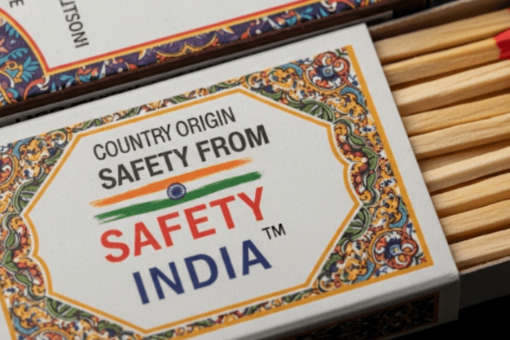
Quenker safety matches product showcase from Kovilpatti manufacturer India
Blog Safety Matches Exporter

Importing Safety Matches from India: Timelines & Guide

Introduction
India stands tall as the global powerhouse for safety matches, its factories turning out billions of sticks that light homes, businesses, and industries worldwide. Known for quality, reliability, and competitive pricing, Indian safety matches remain the go-to choice for importers across continents.

But here’s the catch: importing safety matches isn’t just about picking a supplier and waiting for delivery. It’s carefully involving strict regulations, precise paperwork, and complex logistics. For importers, understanding the timeline isn’t just a convenience—it’s crucial. Knowing how long each step takes helps avoid costly delays, missed deadlines, and inventory gaps.

In this blog, we’ll break down the entire import journey—from sourcing your Indian supplier to clearing customs at your doorstep and reveal the realistic timelines at every stage.
Benefits of Using Safety Matches
✅ Safe to Use: They reduce accidental fires because they only light on designated surfaces.

✅ Affordable: Safety matches are low-cost and easy to produce.

✅ Reliable: They work well even in slightly damp conditions.

✅ Environmentally Friendly: Many are made from sustainable wood and use non-toxic chemicals.

✅ Widely Accepted: Recognized globally for quality and safety standards.

📌 Also Read: Benefits of Safety Matches Over Lighters

How Long Will It Take to Import Safety Matches?
The time to import safety matches from India depends on several factors, including manufacturing, documentation, shipping, and customs clearance. Typically, the whole process can take anywhere from 2 to 6 weeks or more, depending on the complexity and efficiency of each step.

1. Sourcing and Order Placement
The first step? Locking down the right safety match supplier. India boasts a vast ecosystem of safety match manufacturers and exporters who specialize in global trade. With hundreds of vetted suppliers to choose from, importers have options—but choosing wisely can save weeks.

Once you identify potential partners like Quenker matches, the process moves to negotiation and order finalization. This includes discussing pricing, packaging details, branding preferences, and minimum order quantities. 
2. Production and Packaging Time (7–10 days)

Raw Material Sourcing: Wood and chemicals are gathered and prepared — usually quick, as suppliers stock raw materials.
Manufacturing: The matches are made, dried, and quality checked. This takes around 4–6 days depending on order size.
Packaging: Safety matches are boxed, labeled with certifications, and prepared for export — usually 2–3 days.

3. Regulatory Compliance & Documentation (2–4 days)
Safety matches are classified as hazardous goods, specifically under Class 4.1 – Flammable Solids. This classification means importers and exporters must adhere to strict international safety and shipping regulations to ensure safe handling throughout the journey.

Because of this, a set of essential documents is mandatory for a smooth export-import process. These typically include:

Material Safety Data Sheet (MSDS): Details the chemical composition and safety handling procedures.
Shipping Declaration: Confirms the hazardous nature of the cargo for transport authorities.
Certificate of Conformity (CoC): Certifies that the product meets required standards.
Commercial Invoice: Specifies the order value and terms.
Packing List: Details packaging specifics.
Pre-shipment Inspection Certificate: Required by some destination countries to verify compliance before shipment.

Preparing and gathering these documents is no small feat, but with organized exporters and clear buyer communication, it usually takes around a few days. 
4. Shipping and Transit Times
When it comes to transporting safety matches internationally, sea freight is by far the preferred shipping method. This choice is largely due to the hazardous nature of safety matches—classified as flammable solids—which restricts air freight options. While air shipping is faster, it’s rare and significantly more expensive, making sea transport the go-to for most importers.

Here’s a snapshot of typical sea transit times from India to major global markets:

Shipping Time (15–30 days for sea freight; 3–7 days for air freight)

Sea Freight: Most common and cost-effective. Transit time varies by destination and shipping route but usually takes 15–30 days.
Air Freight: Faster but more expensive, typically 3–7 days depending on flight schedules and customs at arrival.

Keep in mind, these durations can fluctuate based on several factors. Port schedules, seasonal weather conditions, geopolitical events, and customs inspections at the destination all play a role in shaping actual transit times. Therefore, it’s crucial for importers to factor in potential delays when planning inventory and sales.
Inland Transportation to Port (1–3 days)
After packaging, goods are transported from the factory to the port or airport. Time depends on factory location relative to the port.
5. Export Clearance in India (2 to 7 days)
Before safety matches can leave Indian soil, exporters must clear regulatory hurdles set by Indian authorities. Central to this process is the Import Export Code (IEC), issued by the Directorate General of Foreign Trade (DGFT). The IEC is a must-have for any business wishing to export legally and must be kept up to date.

Bill of Entry is filed
Duties and taxes assessed and paid
Physical inspection may happen
Clearance granted

Once the IEC is in place, exporters must comply with India’s Foreign Trade Policy and submit all required documentation for customs clearance.

Port congestion: Busy ports can slow down inspections.
Accuracy of documentation: Errors or missing papers cause hold-ups.
Volume of hazardous cargo: Large shipments may face extra scrutiny.

Delays at this stage ripple through the entire import timeline, so partnering with exporters experienced in hazardous goods and ensuring documentation accuracy can make all the difference.
6. Final Delivery (1–5 days)
Once cleared, goods are transported to your warehouse or distribution center.
What’s the Usual Total Import Time?

Step
Time

Prep & paperwork
5–10 days

Production
7–15 days

Shipping
Sea: 15–30 days
Air: 3–7 days

Customs
3–7 days

Local delivery
1–3 days

✔️Total (sea): ~25–50 days

✔️Total (air): ~15–25 days
What Factors Can Slow Down the Import?
Regulatory and Compliance Delays
Safety matches are considered hazardous goods, so strict rules apply. Meeting Indian export laws and your country’s import regulations requires careful checks and certifications. Missing or outdated certifications can delay approvals.
Documentation Issues
Incomplete, incorrect, or missing documents like invoices, packing lists, certificates of origin, and safety data sheets can cause customs to hold your shipment until all paperwork is verified.
Shipping and Logistics Challenges
Weather problems, port congestion, or carrier delays can push back shipping schedules. Also, delays in container availability or rerouting during transit can extend delivery time.
Customs Inspection and Clearance
Customs officials may randomly inspect shipments or request additional information, causing delays. Properly prepared shipments with complete documents usually clear faster.
How to Make the Matchbox Import Faster
✔️ Choosing Reliable Exporters
Work with trusted exporters who have all necessary certifications (ISO, SGS, CE, MSDS). A reliable supplier ensures quality products and smooth paperwork.

✔️ Preparing Complete Documentation
Ensure all documents are accurate and ready before shipment — this includes invoices, certificates, permits, and shipping papers.
✔️ Tracking Shipments Proactively
Use tracking tools to monitor your shipment’s progress and address any issues early with the shipping company or freight forwarder.
🤔  Who is the leading Safety matches exporter in 2025?
Tips to Avoid Common Import Problems
✅ Double-Check Documentation Accuracy

Verify every document detail matches your order and shipment before submitting to customs.

✅ Understand Hazardous Goods Regulations

Know the specific rules for importing matches safely, including packaging and labeling requirements.

✅ Communicate Clearly with Suppliers and Customs

Keep open lines of communication to quickly resolve questions or problems.

✅ Plan for Buffer Time in Delivery

Always add extra days to your expected delivery timeline to handle unexpected delays without stress.

Conclusion

Importing safety matches from India is a detailed process that typically takes 3 to 7 weeks from order placement to final clearance. Understanding each step—from sourcing and documentation to shipping and customs—helps set realistic expectations and avoid surprises.

Choosing the right safety matches exporter, keeping your paperwork perfect, and staying proactive throughout the process are the keys to timely delivery and successful imports. 

Posted by quenker-editor
Safety Matches Exporter
Blog Safety Matches Exporter

Who is the leading safety matches exporter in 2025?

Introduction:
Who leads safety matches export market? Quenker Matches, a top safety matches exporter and manufacturer in India.

Safety matches might seem like a small, everyday item, but they play a vital role worldwide from lighting homes and kitchens to serving essential needs in industries and emergency kits. Their global demand remains steady, especially in regions where modern ignition devices are less accessible or where tradition and affordability matter most.

In this blog, we dive deep into the answer. We’ll explore the driving forces behind the global leader, uncover the unique advantages that set them apart, and spotlight the top company that has mastered the art and science of safety match exports.
Why India Leads as the Global Safety Matches exporter?
Production Powerhouses
India’s leadership in the safety matches export market is marked by its production hubs in Tamil Nadu — notably the towns of Sivakasi and Kovilpatti. 

These towns have become synonymous with large-scale, specialized matchstick manufacturing. Their longstanding expertise and focused industrial clusters give India a solid foundation to produce millions of matchboxes efficiently and at scale.
Competitive Advantages
Several factors create a winning formula for India’s dominance:

Abundant Raw Materials: India enjoys huge supplies of essential resources such as softwood and red phosphorus, critical for match production.
Low Labor Costs: The country benefits from an affordable yet skilled labor force, allowing manufacturers to keep costs competitive without compromising quality.
Mature Manufacturing Infrastructure: Years of industrial development have built a robust ecosystem—complete with machinery, supply chains, and logistics that supports high-volume production.

Wide Safety Matches Product
Indian safetymatches exporter cater to diverse market needs by offering a broad range of safety match types:

Wax Matches for longer burn times,
Wooden Matches that are classic and durable,
Cardboard Matches ideal for convenience and travel packs.
Veneer Matches
Household safety Matches
Barbeque Matches

Quality and International Compliance
Indian safety matches manufacturers don’t just produce quantity—they ensure quality and safety to meet international standards:

Adherence to ISO certifications and other global benchmarks is common.
Stringent monthly quality checks maintain consistent product safety.
Flexibility to customize packaging and labeling ensures compliance with local regulations and helps brands stand out in crowded markets.

Global Reach
The result of these advantages is a strong, far-reaching export network. Indian safety matches find their way in bulk shipments to:

Africa (major markets like Nigeria and Ghana),
The Middle East (including Saudi Arabia and the UAE),
Parts of Europe and Latin America.

This global reach proves that India is the clear leader in exporting safety matches.
What Sets Our Quenker Safety Matches Apart?

Category
Quenker Matches

Established On
Founded in 1980

Product Range
cardboard, wax, kitchen, wooden, veneer, and long stick BBQ matches

Production Capacity
Operates four manufacturing units with a daily production rate of 2 million matchboxes

Global Export Network
Exports to Africa, the Middle East, and Latin America, including Nigeria, Benin, Ghana, Saudi Arabia, UAE, Sudan, Kenya, Chile, Peru, and Colombia, demonstrating a strong international presence.

Customization Options
private-label packaging and local language branding

Infrastructure
Modern manufacturing facilities and advanced machinery

India’s Safety Matches Market Share Compared to Other Safety Matches Exporters
Current Market Data
India dominates the global safety matches export market, holding an impressive 52% share of worldwide shipments between October 2023 and September 2024. This commanding position underscores India’s role as the industry leader, far outpacing other countries in volume and reach.

Other Key Players
Although India is far ahead, other countries also export safety matches. These include China, Pakistan, Sweden, Indonesia, and Brazil. Each has its own strengths, but their production is much smaller compared to India’s.
Strengths and Market Focus of Each

Country
Strengths
Market Focus

India
Cost-efficiency, customization, high quality
Africa, Middle East, global bulk

China
Mass production, packaging innovation
Asia, Africa

Sweden
historical expertise
Europe, North America

Indonesia
Sustainable sourcing, wooden/wax matches
Southeast Asia, Africa

Brazil
Growing presence, high-quality matches
South America, Europe

India’s ability to offer competitive pricing alongside product customization and adherence to international standards makes it the preferred supplier for cost-sensitive and bulk markets worldwide.
Spotlight on Quenker Matches: Leading Safety Matches Exporter
Legacy and Location
Quenker Matches boasts over four decades of industry experience, based in Kovilpatti, Tamil Nadu — one of India’s most renowned safety match manufacturing hubs. This rich legacy is built on a foundation of consistent quality and manufacturing expertise.
Global Export Network of Leading safety matches Exporter
Quenker has established a robust global presence, exporting safety matches to diverse markets across,

Saudi Arabia
Yemen
United Arab Emirates
Sudan
Nigeria
Peru
Colombia
South Africa
Zambia
Kenya
Peru and More

Scale and Experience
With decades of growth behind them, Quenker possesses a high production capacity, enabling them to fulfill large orders efficiently. Their experience ensures reliable supply even during peak demand periods.
Quality, Affordability, Customization
Committed to maintaining rigorous monthly quality checks, Quenker balances affordability with superior standards. They offer extensive customization options such as private-label packaging and local language branding to meet diverse regulatory and cultural needs.
Trust and Customer Satisfaction
Quenker’s reputation for timely delivery, product reliability, and excellent customer service has made them a preferred partner for wholesalers, retailers, and distributors worldwide. Their strong client relationships are reflected in positive feedback and a loyal repeat customer base.
Conclusion: Quenker the best Safety Matches Exporter in the Global Market
India’s commanding position as the world’s leading safety matches exporter is no accident. At the forefront of this success stands Quenker Matches — a brand synonymous with decades of expertise, unwavering quality, and a truly global footprint. Quenker’s ability to seamlessly blend large-scale production capacity with tailored solutions for diverse markets sets a new standard in the industry.

For importers, distributors, and industry professionals seeking a trusted partner, Quenker Matches offers not just products, but a promise of reliability and innovation. Explore how a collaboration with Quenker can light the way for your business on the global stage.
FAQ
Who is the best safety matches exporter in India?
Quenker Matches is considered one of the top safety matches exporters in India because they have a strong reputation for quality and timely deliveries.

Can Quenker Matches handle bulk export orders?
Yes, Quenker Matches is well-equipped to manage large bulk orders, making them a reliable choice for businesses needing a big supply of safety matches.

Do they offer private labeling or custom designs?
Yes, we offer private labeling services, which means they can print your brand name and logo on the matchboxes. They also create custom designs tailored to your preferences.

What types of safety matches does Quenker provide?
Quenker provides several types of matches, including regular household matches, book matches (small packs used for promotions), and strike-anywhere matches for convenience.

How does Quenker ensure the quality and safety of their matches?
Quenker follows strict manufacturing standards and quality control processes. They use safe raw materials and conduct tests to ensure each batch of matches is safe to use and meets international quality standards.

Which countries currently import safety matches from Quenker?
Quenker exports its safety matches mainly to countries in the Middle East, Africa, and other international regions where there is high demand for quality Indian matches.

What is the typical production capacity of Quenker Matches?
Quenker has a large production capacity and can produce millions of matches each month to fulfill big orders quickly and efficiently.

What raw materials are used in manufacturing Indian safety matches?
The main raw materials include specially prepared wood sticks, chemicals like phosphorus for ignition, and cardboard or paper for making matchboxes.

What certifications do Indian safety matches hold for export markets?
Indian safety matches, including those from Quenker, often hold certifications such as ISO, which certify that the products meet international safety and quality standards.

Can I order small quantities from Quenker Matches?
Yes, small orders are possible, but Quenker usually encourages bulk orders because they offer better prices and efficiency for larger quantities.

Posted by quenker-editor
Quenker matches is the Safety Matches exporter to international market
Blog Safety Matches Exporter

Safety Matches Exporter for Kenya, Ghana, and Worldwide Markets

Your Trusted Safety Matches Exporter
In an age of smart homes and digital everything, one might assume the humble safety match has burned out its relevance. Yet across bustling street markets in Nairobi, remote villages in Ghana, and urban kitchens in Latin America, this small, combustible stick remains a daily essential. Safety matches—simple, reliable, and cost-effective—continue to ignite not just flames but entire economies through a thriving global trade. Safety matches are more than just a household item; they’re a lifeline in regions where cooking fuel, lighting, and ignition tools must be affordable, portable, and effective in all weather conditions.

In this blog, we’ll unpack why India dominates the global safety matches market, how exporters navigate compliance for countries like Kenya and Ghana, and what it takes to succeed in this niche yet enduring international trade.
Global Landscape of Safety Match Exports
At first glance, safety matches might seem like relics of the past, but global demand tells a different story. These small, friction-activated fire starters are indispensable in regions where electricity is unreliable, gas lighters are considered luxury items, or open-flame cooking remains the norm. In such settings, safety matches are not only practical—they’re vital.

The markets leading the charge? Africa, Asia, and Latin America. In countries like Kenya and Ghana, demand is driven by a mix of population growth, urban-rural supply chains, and low-cost consumer habits. Meanwhile, pockets of Latin America and Southeast Asia continue to rely heavily on matches for both domestic and small-scale commercial use.
India’s Role as a Leading Safety Matches Exporter
Walk into a hardware store in Accra or a roadside shop in Mombasa, and chances are the matchboxes on the shelf trace their roots back to India. The subcontinent is the undisputed heavyweight in the global safety match industry, exporting vast quantities to countries across Africa, the Middle East, and parts of Europe and Latin America.
India’s Safety Matches Export Dominance:
Indian safety matches exporter consistently fulfill bulk orders for countries like Kenya, Ghana, Nigeria, Togo, Benin, UAE, and even Eastern European nations, often on tight timelines and custom branding requirements.

“This dominance isn’t just about volume. It’s about value—and versatility”.
Why Indian Exporters Are Preferred
✔️ Cost-Efficiency
Thanks to streamlined manufacturing ecosystems, low labor costs, and access to raw materials, Indian exporters can offer highly competitive prices without compromising on quality. For cost-sensitive markets, this is a game-changer.

✔️ Quality Control
From friction sensitivity to humidity resistance, Indian manufacturers perform rigorous in-house and third-party testing to meet global safety benchmarks. Many comply with ISO standards and maintain MSDS (Material Safety Data Sheets) for every batch.

✔️ Customization
Whether it’s private-label packaging, local language branding, or box-count variations, Indian exporters shine in delivering made-to-order solutions tailored to cultural and regulatory nuances.
India vs. China and Europe: A Comparison

China also exports large volumes but often lacks India’s customization finesse and consistency in compliance.

European exporters offer premium products, but higher pricing often makes them less viable in cost-sensitive markets like Africa or parts of Latin America.

Safety Matches Export Process: Step-by-Step Breakdown
Exporting safety matches isn’t as simple as striking a deal and lighting a shipment. Due to their classification as hazardous goods, the process demands meticulous documentation, regulated packaging, and airtight compliance from start to finish.
1. Classification: Hazardous Goods (Class 4.1 – Flammable Solids)
Safety matches fall under UN Class 4.1, meaning they pose flammability risks under certain transport conditions. This classification governs everything—from storage to shipping mode—and necessitates coordination with certified freight handlers.
2. Documentation Essentials
To clear customs and ensure legal transport across international borders, exporters must compile:

Material Safety Data Sheet (MSDS): Outlines chemical properties, handling precautions, and hazard levels.

Shipping Declarations: Confirms flammable nature and compliance with transit laws.

ISO Certifications: Often required by importing nations to confirm product quality and manufacturing standards.

Certificate of Origin: Confirms the product’s country of manufacture.

Commercial & Pro Forma Invoices: Detailed product listings with declared values for customs.

3. Packaging and Transportation Protocols
Because moisture and friction are the enemies of safe transport, packaging is a mission-critical element:

Moisture-Resistant Wrapping: Often includes inner plastic lining or foil to prevent dampness.

Shock-Absorbing Containers: Prevent accidental ignition during transit.

Temperature Control: Matches are often shipped in ventilated containers or climate-stable cartons in hotter regions.

Hazard Labels & Markings: Each shipment must include clearly visible Class 4.1 labels, plus orientation arrows, batch IDs, and hazard symbols.

SAFETY MATCH BOXES FOR KENYA: Rules and Realities

Kenya’s Market Demand: Steady & Scalable
Kenya’s growing middle class, widespread use of charcoal stoves, and need for affordable ignition tools have made it a hotspot for safety match imports. Indian exporters, in particular, have carved out a strong presence here due to price competitiveness and consistent supply.
Documentation Checklist
To avoid customs bottlenecks, exporters must present the full suite of required documentation:

Import Declaration Form (IDF)

Certificate of Conformity (CoC) under the Pre-Export Verification of Conformity (PVoC) program

International Standard Mark (ISM) codes

Commercial invoice and pro forma invoice

All documents must be submitted through a licensed Kenyan clearing agent for formal entry processing.
Inspection Protocols & Insurance
Kenya mandates pre-shipment inspection to ensure all imports comply with national standards. No inspection, no entry—it’s that simple. Also, all goods must be insured through providers licensed in Kenya. This isn’t just a box-ticking exercise; it’s a legal requirement that protects both importer and exporter from cargo-related disputes.
Local Standards and Labelling Compliance
The Kenya Bureau of Standards (KEBS) demands strict adherence to labelling laws—especially for flammable goods. Packaging must include usage instructions, safety warnings, and proper storage guidelines. Labels in Swahili and English are preferred for maximum market resonance.
Safety Match Boxes for Ghana: Compliance Essentials
Ghana’s Safety Match Market: Underserved and Underrated
Ghana presents a growing opportunity for exporters who understand the terrain. Like Kenya, it has a rising demand for low-cost ignition tools in both urban and rural areas, with limited domestic production to meet the need. That gap? It’s your golden opportunity.
Customs Compliance: Register or Stay Out
All importers must register with the Ghana Revenue Authority (GRA) and secure a Tax Identification Number (TIN). No TIN, no clearance—it’s that simple.
Document Requirements for Smooth Entry
Before your matches touch Ghanaian soil, ensure you’ve compiled:

Bill of Lading (BoL)

Packing list

Certificate of Origin (CoO)

Commercial and pro forma invoices

Additionally, physical verification of cargo is routine. Expect border checks, especially for flammable goods like safety matches.
GSA Rules: Packaging and Fire Safety
The Ghana Standards Authority (GSA) enforces fire safety regulations and insists on clear, durable packaging that includes:

Fire hazard warnings

Local language labels (preferably English and Twi)

Compliance marks (where applicable)

Import Licenses and Beyond
Certain product lines may require import licenses or sanitary certificates, especially when bundled with promotional items or packaged near other consumables. Exporters should consult local agents or the GSA in advance to avoid last-minute delays.
Navigating Other International Markets
Togo, Benin, and Beyond
African markets aren’t monoliths. Each country brings its own maze of compliance and regulation:

Togo follows OHADA regulations (a harmonized business law system used across French-speaking Africa), meaning your export documents must align with regional commercial codes.

Benin may require sanitary certificates, especially for matches used in food preparation or bundled with cookware sets.

The Middle East enforces stricter flammability and shipping standards, often demanding detailed MSDS and region-specific packaging rules.

Europe prioritizes eco-labels, safety certifications, and sustainable packaging for all flammable imports.

Post-Clearance Distribution
Once safety matches clear customs, the next battleground is distribution. Successful exporters build robust partnerships with wholesalers, retail chains, and informal market distributors to ensure product visibility and accessibility. A weak link in this chain can derail even the most well-planned export operation.
Key Success Factors for Safety Match Exporter
Success in the global safety match trade isn’t just about producing a spark—it’s about sustaining the flame. For exporters looking to break into or scale within markets like Kenya, Ghana, and beyond, the difference between a one-time shipment and a long-term trade pipeline boils down to a few critical success factors.

Building Solid Partnerships with Local Importers and Agents
Offering Value-Added Services
Continuous Adaptation to Market-Specific Requirements
Ensuring Long-Term Trust Through Transparency and Compliance

Conclusion
Safety matches may be small, but the market opportunity is anything but. As essential consumer goods across Africa, Asia, and Latin America, they present a unique blend of high-volume demand and rigorous compliance.

Ready to strike into new markets? Partner with Quenker Matches, a trusted Indian safety match exporter, align with local regulations, and unlock a global network of opportunity—one box at a time.
FAQ
1. Why are Indian safety matches popular in international markets?

Indian manufacturers offer competitive pricing, consistent quality, and customized packaging. Their ability to meet diverse regulatory requirements makes them a preferred choice globally.

2. What documentation is needed to export safety matches?

Typical documents include the Material Safety Data Sheet (MSDS), shipping declaration, Certificate of Conformity (CoC), commercial invoice, packing list, and in some cases, a pre-shipment inspection certificate.

3. Are safety matches classified as hazardous goods?

Yes. Safety matches fall under Class 4.1 – Flammable Solids. This classification requires specialized handling, packaging, and transport compliance.

4. What are the specific import requirements for Kenya?

Kenya requires an Import Declaration Form (IDF), CoC through a Pre-Shipment Verification of Conformity (PVoC) agent, ISM code, and insurance from a Kenya-licensed company. All imports must go through the SIMBA 2005 system.

5. How can I import safety matches into Ghana?

Importers must register with the Ghana Revenue Authority, obtain a TIN, and submit a bill of lading, packing list, invoices, and certificate of origin. Matches must comply with GSA standards.

6. Can Indian exporters customize matchbox design and branding?

Absolutely. Many exporters offer private-label packaging, size customization, and branding tailored to market preferences and regulatory requirements.

7. What shipping methods are used for safety matches?

Safety matches are typically shipped in moisture-resistant, fire-protected containers via sea freight to minimize risk and ensure product integrity.

8. Are eco-friendly or non-toxic safety matches available?

Yes. Indian safety matches manufacturers now offer eco-conscious matchsticks made from sustainable wood and non-toxic chemical compositions.

9. What is the difference between safety matches and strike-anywhere matches?

Safety matches ignite only on a special striking surface, making them safer and more export-friendly. Strike-anywhere matches can light on most rough surfaces but are restricted in many countries due to safety concerns.
10. How important is after-sales support in the safety matches export business?

After-sales support, including timely communication and addressing market feedback, is crucial for maintaining trust and securing repeat orders, especially in competitive international markets.

Posted by quenker-editor
Safety Matches Exporter
Blog Safety Matches Safety Matches Manufacturer

Why Indian Safety Matches Are Trusted Across Nigeria, South Africa, and Beyond?

Rise of Indian Safety Matches Manufacturers
India is the biggest exporter of safety matches in the world, and countries like Nigeria and South Africa trust Indian matches more than any others. Why? Because Indian manufacturers have a long history of making matches that are safe, work well, and don’t cost too much.
This blog will explain why people in Africa rely on Indian-made matches. We’ll look at how they perform, how they’re packed to stay dry and safe, how affordable they are, and how Indian companies are making matches in ways that are better for the environment. All these reasons make Indian safety matches the top choice wherever people need a reliable spark.

Quality Matchstick Manufacturing: Precision from Start to Finish
India’s match manufacturing industry is built on a foundation of strict quality control and advanced production techniques. Each step in the manufacturing process, from harvesting the raw wood to final packaging, is designed to ensure that every matchstick lights instantly and burns evenly.
Why this matters:

Consistent ignition: Indian safety matches are known for lighting on the first strike, a critical feature regardless of humidity or weather conditions.

Durability: The wooden splints used are sourced and treated to resist breaking during handling and transport.

Variety: Odorless and smokeless variants cater to households and industries that prioritize clean and comfortable burning.

Moisture-resistant packaging: Especially important for tropical climates like Nigeria, Ghana, and Tanzania, Indian manufacturers use specialized packaging to keep matches dry and functional even in high humidity.

Economical Pricing with Uncompromised Quality
One of the major advantages Indian exporters offer is the ability to produce safety matches in massive volumes at competitive prices, without compromising on quality. This balance of cost and quality has been a decisive factor for many importers across Africa and the Middle East.
Key benefits for importers:

Bulk availability: Large-scale manufacturing capabilities mean India can meet demands for thousands or millions of matchsticks with ease.

Stable pricing: Predictable costs help retailers and distributors plan inventory and pricing strategies efficiently.

Flexible packaging: From basic bulk cartons to customized branded boxes and private labels, Indian exporters accommodate diverse buyer preferences.

How Indian Matches Compare Globally
The quality and pricing advantage is evident when we compare Indian safety matches with products from other exporting countries.

Feature
India
Other Exporters

Strike Rate
95–98%
80–85%

Packaging Customization
High
Moderate

Cost per 1000 sticks
Low
Medium to High

Minimum Order Quantity (MOQ)
Flexible
Often Restrictive

Compliance with Safety Norms
Strong
Variable

Key Markets for Indian Safety Matches
Nigeria: An Expanding Safety Matches Market with Unique Challenges
With a population exceeding 200 million, Nigeria represents one of the largest consumer bases for safety matches in Africa. Urbanization continues to grow rapidly, but a significant portion of the population still relies on matches for cooking, lighting, and other daily needs.
South Africa: Africa’s Leading Importer of Quality Matches
South Africa stands out as a premium market where consumers prioritize quality and safety. Indian matches’ consistent ignition and clean burning qualities align well with South African buyers’ expectations, making India a preferred supplier.
Ghana, Benin, Togo, Tanzania: Growing Demand Across West and East Africa
These countries are experiencing steady growth in demand for safety matches, driven by rising populations and expanding urban centers. Indian exporters benefit from their strong distribution networks and product adaptability, serving both rural and metropolitan customers effectively.
UAE: A Crucial Re-export Hub for Safety Matches
The United Arab Emirates plays a strategic role as both a consumer and a re-exporter of safety matches. Indian matches imported into the UAE often find their way to other Middle Eastern and African markets, amplifying India’s global reach.
Nepal and Yemen: Emerging Markets in South Asia and the Middle East
India’s proximity and trade agreements make it a natural supplier for countries like Nepal and Yemen, where safety matches remain essential household items.
Consistent Quality You Can Test and Trust
Quality consistency is vital for importers, as substandard matches can lead to:

Damage to brand reputation

Increased consumer dissatisfaction and complaints

Risk of regulatory penalties due to non-compliance

Indian manufacturers mitigate these risks through multiple layers of quality assurance:

Multi-stage quality control: Each phase, from drying the wooden splints to applying chemical coatings, undergoes rigorous checks.

Ignition testing: Matches are tested to guarantee a uniform strike rate.

Moisture control: Specialized packaging protects the product from damp conditions, which is critical for tropical markets.

Eco-Friendly Practices Aligning with Modern Buyer Values
Today’s consumers and retailers are increasingly eco-conscious, making sustainability an important consideration for match exporters.

Indian manufacturers are responding by adopting:

Renewable wood sourcing: Using timber from managed and sustainable forests.

Non-toxic chemicals: Avoiding harmful substances to ensure user safety.

Biodegradable packaging: Reducing environmental impact.

Green manufacturing: Utilizing solar power and energy-efficient machinery.

These measures not only help exporters meet global environmental standards but also enhance brand appeal in eco-aware markets.
Ready to Start Importing Indian Safety Matches?
If you’re planning to import safety matches, here are some practical tips:

Choose exporters experienced in your target market: They understand local regulations and distribution challenges.

Look for SGS or ISO certifications: These verify manufacturing and quality standards.

Consider private-label options: Custom branding can differentiate your product.

Ensure clear communication and flexible logistics: To keep supply chains smooth and responsive.

Final Thoughts
From flame consistency and climate-proof packaging to pricing that makes sense and certifications that speak volumes, Indian safety matches manufacturers have proven themselves across borders.
In the kitchens of Lagos, the stores of Soweto, and the markets of Nairobi, Indian matches are more than utility—they’re a trusted tool. And as sustainability, quality, and reliability take center stage in global trade, India’s flame shows no sign of flickering out.
Ready to strike a partnership that lights up your market? Quenker Matches are poised to deliver—just like their matches, every time.

Posted by quenker-editor
Safety Matches
Blog Safety Matches Safety Matches Manufacturer

Safety Matches from India: Lighting the Middle East Safely

India has long been a trusted source of safety matches, with kovilpatti emerging as a global hub for matchstick manufacturing. As demand for safe, reliable, and customized matches continues to grow in the Middle East, Indian manufacturers are stepping in to meet this need. This blog explores how the Indian safety matches export industry is lighting up homes and businesses across the Middle East—while maintaining strict international quality and safety standards.

Why the Middle East Needs Safety Matches
Although technological infrastructure has improved in many parts of the Middle East, the use of safety matches remains prevalent. Matches are preferred in many Arab households and businesses for reasons such as:

Cultural preferences for lighting candles or incense for religious or traditional practices
Rural communities in countries like Yemen or Oman where modern tools are still limited
High-volume hospitality sectors, where hotels and restaurants still offer matches as complimentary items

Despite this high demand, local manufacturing is unable to scale consistently due to challenges like:
✔ï¸