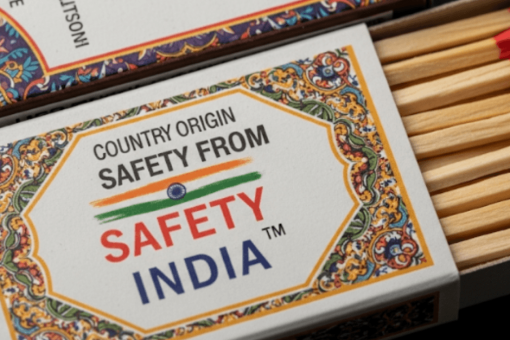
Category: Safety Matches Exporter

Quenker matches is the Safety Matches exporter to international market
Blog Safety Matches Exporter

Safety Matches Exporter for Kenya, Ghana, and Worldwide Markets

Your Trusted Safety Matches Exporter
In an age of smart homes and digital everything, one might assume the humble safety match has burned out its relevance. Yet across bustling street markets in Nairobi, remote villages in Ghana, and urban kitchens in Latin America, this small, combustible stick remains a daily essential. Safety matches—simple, reliable, and cost-effective—continue to ignite not just flames but entire economies through a thriving global trade. Safety matches are more than just a household item; they’re a lifeline in regions where cooking fuel, lighting, and ignition tools must be affordable, portable, and effective in all weather conditions.

In this blog, we’ll unpack why India dominates the global safety matches market, how exporters navigate compliance for countries like Kenya and Ghana, and what it takes to succeed in this niche yet enduring international trade.
Global Landscape of Safety Match Exports
At first glance, safety matches might seem like relics of the past, but global demand tells a different story. These small, friction-activated fire starters are indispensable in regions where electricity is unreliable, gas lighters are considered luxury items, or open-flame cooking remains the norm. In such settings, safety matches are not only practical—they’re vital.

The markets leading the charge? Africa, Asia, and Latin America. In countries like Kenya and Ghana, demand is driven by a mix of population growth, urban-rural supply chains, and low-cost consumer habits. Meanwhile, pockets of Latin America and Southeast Asia continue to rely heavily on matches for both domestic and small-scale commercial use.
India’s Role as a Leading Safety Matches Exporter
Walk into a hardware store in Accra or a roadside shop in Mombasa, and chances are the matchboxes on the shelf trace their roots back to India. The subcontinent is the undisputed heavyweight in the global safety match industry, exporting vast quantities to countries across Africa, the Middle East, and parts of Europe and Latin America.
India’s Safety Matches Export Dominance:
Indian safety matches exporter consistently fulfill bulk orders for countries like Kenya, Ghana, Nigeria, Togo, Benin, UAE, and even Eastern European nations, often on tight timelines and custom branding requirements.

“This dominance isn’t just about volume. It’s about value—and versatility”.
Why Indian Exporters Are Preferred
✔️ Cost-Efficiency
Thanks to streamlined manufacturing ecosystems, low labor costs, and access to raw materials, Indian exporters can offer highly competitive prices without compromising on quality. For cost-sensitive markets, this is a game-changer.

✔️ Quality Control
From friction sensitivity to humidity resistance, Indian manufacturers perform rigorous in-house and third-party testing to meet global safety benchmarks. Many comply with ISO standards and maintain MSDS (Material Safety Data Sheets) for every batch.

✔️ Customization
Whether it’s private-label packaging, local language branding, or box-count variations, Indian exporters shine in delivering made-to-order solutions tailored to cultural and regulatory nuances.
India vs. China and Europe: A Comparison

China also exports large volumes but often lacks India’s customization finesse and consistency in compliance.

European exporters offer premium products, but higher pricing often makes them less viable in cost-sensitive markets like Africa or parts of Latin America.

Safety Matches Export Process: Step-by-Step Breakdown
Exporting safety matches isn’t as simple as striking a deal and lighting a shipment. Due to their classification as hazardous goods, the process demands meticulous documentation, regulated packaging, and airtight compliance from start to finish.
1. Classification: Hazardous Goods (Class 4.1 – Flammable Solids)
Safety matches fall under UN Class 4.1, meaning they pose flammability risks under certain transport conditions. This classification governs everything—from storage to shipping mode—and necessitates coordination with certified freight handlers.
2. Documentation Essentials
To clear customs and ensure legal transport across international borders, exporters must compile:

Material Safety Data Sheet (MSDS): Outlines chemical properties, handling precautions, and hazard levels.

Shipping Declarations: Confirms flammable nature and compliance with transit laws.

ISO Certifications: Often required by importing nations to confirm product quality and manufacturing standards.

Certificate of Origin: Confirms the product’s country of manufacture.

Commercial & Pro Forma Invoices: Detailed product listings with declared values for customs.

3. Packaging and Transportation Protocols
Because moisture and friction are the enemies of safe transport, packaging is a mission-critical element:

Moisture-Resistant Wrapping: Often includes inner plastic lining or foil to prevent dampness.

Shock-Absorbing Containers: Prevent accidental ignition during transit.

Temperature Control: Matches are often shipped in ventilated containers or climate-stable cartons in hotter regions.

Hazard Labels & Markings: Each shipment must include clearly visible Class 4.1 labels, plus orientation arrows, batch IDs, and hazard symbols.

SAFETY MATCH BOXES FOR KENYA: Rules and Realities

Kenya’s Market Demand: Steady & Scalable
Kenya’s growing middle class, widespread use of charcoal stoves, and need for affordable ignition tools have made it a hotspot for safety match imports. Indian exporters, in particular, have carved out a strong presence here due to price competitiveness and consistent supply.
Documentation Checklist
To avoid customs bottlenecks, exporters must present the full suite of required documentation:

Import Declaration Form (IDF)

Certificate of Conformity (CoC) under the Pre-Export Verification of Conformity (PVoC) program

International Standard Mark (ISM) codes

Commercial invoice and pro forma invoice

All documents must be submitted through a licensed Kenyan clearing agent for formal entry processing.
Inspection Protocols & Insurance
Kenya mandates pre-shipment inspection to ensure all imports comply with national standards. No inspection, no entry—it’s that simple. Also, all goods must be insured through providers licensed in Kenya. This isn’t just a box-ticking exercise; it’s a legal requirement that protects both importer and exporter from cargo-related disputes.
Local Standards and Labelling Compliance
The Kenya Bureau of Standards (KEBS) demands strict adherence to labelling laws—especially for flammable goods. Packaging must include usage instructions, safety warnings, and proper storage guidelines. Labels in Swahili and English are preferred for maximum market resonance.
Safety Match Boxes for Ghana: Compliance Essentials
Ghana’s Safety Match Market: Underserved and Underrated
Ghana presents a growing opportunity for exporters who understand the terrain. Like Kenya, it has a rising demand for low-cost ignition tools in both urban and rural areas, with limited domestic production to meet the need. That gap? It’s your golden opportunity.
Customs Compliance: Register or Stay Out
All importers must register with the Ghana Revenue Authority (GRA) and secure a Tax Identification Number (TIN). No TIN, no clearance—it’s that simple.
Document Requirements for Smooth Entry
Before your matches touch Ghanaian soil, ensure you’ve compiled:

Bill of Lading (BoL)

Packing list

Certificate of Origin (CoO)

Commercial and pro forma invoices

Additionally, physical verification of cargo is routine. Expect border checks, especially for flammable goods like safety matches.
GSA Rules: Packaging and Fire Safety
The Ghana Standards Authority (GSA) enforces fire safety regulations and insists on clear, durable packaging that includes:

Fire hazard warnings

Local language labels (preferably English and Twi)

Compliance marks (where applicable)

Import Licenses and Beyond
Certain product lines may require import licenses or sanitary certificates, especially when bundled with promotional items or packaged near other consumables. Exporters should consult local agents or the GSA in advance to avoid last-minute delays.
Navigating Other International Markets
Togo, Benin, and Beyond
African markets aren’t monoliths. Each country brings its own maze of compliance and regulation:

Togo follows OHADA regulations (a harmonized business law system used across French-speaking Africa), meaning your export documents must align with regional commercial codes.

Benin may require sanitary certificates, especially for matches used in food preparation or bundled with cookware sets.

The Middle East enforces stricter flammability and shipping standards, often demanding detailed MSDS and region-specific packaging rules.

Europe prioritizes eco-labels, safety certifications, and sustainable packaging for all flammable imports.

Post-Clearance Distribution
Once safety matches clear customs, the next battleground is distribution. Successful exporters build robust partnerships with wholesalers, retail chains, and informal market distributors to ensure product visibility and accessibility. A weak link in this chain can derail even the most well-planned export operation.
Key Success Factors for Safety Match Exporter
Success in the global safety match trade isn’t just about producing a spark—it’s about sustaining the flame. For exporters looking to break into or scale within markets like Kenya, Ghana, and beyond, the difference between a one-time shipment and a long-term trade pipeline boils down to a few critical success factors.

Building Solid Partnerships with Local Importers and Agents
Offering Value-Added Services
Continuous Adaptation to Market-Specific Requirements
Ensuring Long-Term Trust Through Transparency and Compliance

Conclusion
Safety matches may be small, but the market opportunity is anything but. As essential consumer goods across Africa, Asia, and Latin America, they present a unique blend of high-volume demand and rigorous compliance.

Ready to strike into new markets? Partner with Quenker Matches, a trusted Indian safety match exporter, align with local regulations, and unlock a global network of opportunity—one box at a time.
FAQ
1. Why are Indian safety matches popular in international markets?

Indian manufacturers offer competitive pricing, consistent quality, and customized packaging. Their ability to meet diverse regulatory requirements makes them a preferred choice globally.

2. What documentation is needed to export safety matches?

Typical documents include the Material Safety Data Sheet (MSDS), shipping declaration, Certificate of Conformity (CoC), commercial invoice, packing list, and in some cases, a pre-shipment inspection certificate.

3. Are safety matches classified as hazardous goods?

Yes. Safety matches fall under Class 4.1 – Flammable Solids. This classification requires specialized handling, packaging, and transport compliance.

4. What are the specific import requirements for Kenya?

Kenya requires an Import Declaration Form (IDF), CoC through a Pre-Shipment Verification of Conformity (PVoC) agent, ISM code, and insurance from a Kenya-licensed company. All imports must go through the SIMBA 2005 system.

5. How can I import safety matches into Ghana?

Importers must register with the Ghana Revenue Authority, obtain a TIN, and submit a bill of lading, packing list, invoices, and certificate of origin. Matches must comply with GSA standards.

6. Can Indian exporters customize matchbox design and branding?

Absolutely. Many exporters offer private-label packaging, size customization, and branding tailored to market preferences and regulatory requirements.

7. What shipping methods are used for safety matches?

Safety matches are typically shipped in moisture-resistant, fire-protected containers via sea freight to minimize risk and ensure product integrity.

8. Are eco-friendly or non-toxic safety matches available?

Yes. Indian safety matches manufacturers now offer eco-conscious matchsticks made from sustainable wood and non-toxic chemical compositions.

9. What is the difference between safety matches and strike-anywhere matches?

Safety matches ignite only on a special striking surface, making them safer and more export-friendly. Strike-anywhere matches can light on most rough surfaces but are restricted in many countries due to safety concerns.
10. How important is after-sales support in the safety matches export business?

After-sales support, including timely communication and addressing market feedback, is crucial for maintaining trust and securing repeat orders, especially in competitive international markets.

Posted by quenker-editor
Indian Safety Match boxes - quenker matches
Blog Safety Matches Exporter Safety Matches Manufacturer

Why Our Safety Matches Are in High Demand Across Africa

Our safety matches are popular across Africa because they are reliable, safe to use, budget-friendly, and perform well in any weather. Match box usage spans daily chores, commercial kitchens, outdoor markets, and even emergency survival kits. In this growing market, where safety, affordability, and reliability are paramount, our safety matches stand out for their unmatched quality, consistency, and user satisfaction. From East to West Africa, the demand for our products continues to rise, reflecting both their practicality and our brand’s dedication to excellence.

Why are safety matches important?
Safety matches play an essential role in everyday routines throughout Africa. Whether it’s lighting a stove in rural kitchens or igniting candles during power cuts, these small sticks of fire represent convenience and control.
Key Areas of Daily Use:

Domestic households: Used for lighting gas stoves, candles, and incense.
Street food vendors: An indispensable tool for setting up cooking stoves or grills.
Emergency kits: Reliable in situations where lighters or electricity fail.
Cultural and religious rituals: Often used to light ceremonial lamps or candles.

Their wide usage makes a dependable box of safety matches a necessity in both urban and rural homes, fueling their continual demand.
What Sets Indian Safety Matches Apart
African countries experience a range of environmental conditions — from the humid coasts of Ghana to the dry heat of Sudan. Our Indian safety matches are designed and tested to perform under various climates without compromising on quality or safety.

Weather-Resistant Composition: Whether you’re using black safety matches or wax matches, our products maintain ignition power even in damp or windy conditions.
Durable Packaging: We use moisture-resistant cardboard safety matches boxes to prevent damage during storage and transportation.
Reliable Ignition: Each matchstick is manufactured to strike easily and burn consistently, ensuring efficiency and user safety.
Eco-Friendly Materials: We follow sustainable manufacturing practices, which resonate well with environmentally conscious buyers across Africa.

Different Types of Safety Matches We Manufacture
Our match box export portfolio includes a broad variety of safety matches, tailored to meet the preferences of different African countries. Whether it’s the size of the matchbox, the burn time of each match, or the color of the match head — our offerings are as diverse as the continent itself.
Our Most Popular Safety Matches:

Standard Box of Safety Matches: Ideal for general household use.
Black Safety Matches: Favored for their strong burn and elegant appearance.
Wax Matches: Coated for weather resistance, making them perfect for outdoor use.
Cardboard Safety Matches: Lightweight and cost-effective, these are ideal for mass distribution.
The Best Safe Matches for Export: Certified for safety and quality, these are trusted by businesses and retail chains alike.

With each type tailored to specific consumer needs, we ensure a solution for every market segment — from luxury retail stores in South Africa to wholesalers in Kenya.
Quick Transport and Worldwide Reach
Behind every matchbox that reaches African soil is a well-planned export and logistics system. We understand that timeliness and safe handling are crucial in global trade, especially when supplying a fast-moving commodity like safety matches.
How We Ensure Smooth Delivery
🔹Strategic Packaging Solutions: To prevent damage in transit, our boxes are sealed, shock-resistant, and easy to stack.

🔹Custom Labeling for Local Markets: Matchboxes are printed in multiple languages with regulatory-compliant labels.

🔹Robust Export Partnerships: Collaborations with trusted freight and shipping services ensure timely delivery across Africa.

🔹Responsive Customer Support: Our team addresses queries and assists with orders, logistics tracking, and bulk deals efficiently.

Whether it’s a shipment to Lagos or Nairobi, our systems are built to deliver both speed and reliability.
Commitment to Safety, Innovation, and Customization
What truly makes our safety matches in high demand across Africa is our constant commitment to evolving with the needs of the market. From safety features to branding options, we offer unmatched flexibility.
Our Innovation-Driven Features:

Non-Toxic Match Head Formulas: Reduced chemical usage makes them safe for kids and the environment.
Custom Designs and Branding: Clients can order matchboxes with personalized designs, logos, and packaging styles.
Bulk Order Solutions: Ideal for supermarkets, wholesalers, NGOs, and government supply chains.
Quality Certifications: Our manufacturing is compliant with international safety standards, increasing trust among African buyers.

This level of product innovation and customer-centric service keeps us ahead of the competition and makes us a preferred supplier.
Conclusion: 
As the demand for reliable, affordable, and high-performing safety matches in Africa continues to rise, Quenker Matches remains a trusted leader in the safety matches Africa market. Our diverse product range, adaptability to African climates, and customer-focused logistics make us the top choice for businesses and households alike.

Whether you’re looking for a box of safety matches for home use or sourcing black safety matches for retail, our team is ready to serve you with professionalism and efficiency. Contact us today!

Posted by quenker-editor
Safety matches export market
Blog Safety Matches Safety Matches Exporter

Global Safety Matches Export Market: Trends & Leading Exporters

The Rising Demand for Safety Matches in the Global Market
Despite the rise of lighters and electronic ignition devices, safety matches continue to hold a significant place in global trade. Their affordability, reliability, and eco-friendly nature make them indispensable in many regions, particularly in developing countries and industries that require controlled ignition sources. With increasing global demand, safety matches export manufacturers are witnessing new opportunities in the export market.
Introduction
The safety matches industry plays a crucial role in various markets, including household, hospitality, camping, and industrial applications. Over the years, manufacturers have adapted to changing regulations, sustainability concerns, and technological advancements to remain competitive in the safety matches export market.

As global trade expands, the demand for quality safety matches has increased, leading to a surge in exports from key manufacturing countries. Nations with a strong production base, cost-effective raw materials, and well-established trade networks dominate the market.

Let’s explore the major trends in safety matches exports and identify the leading exporters shaping the industry.
Current Trends in the Global Safety Matches Export Market
1. Sustainability and Eco-Friendly Production
One of the most significant trends in the safety matches industry is the shift toward eco-friendly and sustainable manufacturing. With growing environmental concerns, manufacturers are increasingly using biodegradable materials, phosphorus-free ignition compounds, and recyclable packaging.
2. Rising Demand from Developing Countries
Developing nations in Africa, Asia, and Latin America are among the largest consumers of safety matches. In rural areas, where access to lighters and electricity is limited, safety matches remain a staple household item. This demand has driven exporters to focus on supplying high-quality, cost-effective matches to these regions.
3. Growth of Private Label and Custom Branding
With increasing globalization, private label brands are becoming more popular. Retail chains and distributors are partnering with safety matches manufacturers to create customized products under their brand names. This trend has opened new business avenues for exporters looking to cater to international retail markets.
4. Technological Advancements in Matchstick Production
Modern safety match manufacturing involves advanced machinery that enhances efficiency, reduces production costs, and improves product quality. Automated packaging, high-speed match dipping machines, and better chemical formulations have contributed to the industry’s ability to meet export demands efficiently.
5. Regulatory Compliance and Quality Standards
Exporting safety matches requires adherence to international safety and quality standards, such as ISO certification and country-specific regulations. Exporters that comply with these standards have a competitive advantage in securing bulk orders from global buyers.
Leading Exporters in the Safety Matches Market
Several countries dominate the safety matches export market, leveraging their production capacity, raw material availability, and strong international trade relations.
1. India: The Global Leader in Safety Matches Exports
India is the largest exporter of safety matches, with a well-established industry in regions like Tamil Nadu and Andhra Pradesh. The country benefits from low-cost labor, abundant raw materials (such as softwood and red phosphorus), and a strong distribution network.

Key reasons why India leads the market:

Affordable production costs
High-quality safety match varieties (wax matches, wooden matches, and cardboard matches)
Strong presence in African and Middle Eastern markets
Government support for exports through trade policies

2. Sweden: Pioneer in Matchstick Manufacturing
Sweden has a long history in the matchstick industry, being home to some of the most renowned safety match manufacturers. The country produces premium-quality safety matches, primarily catering to European and North American markets.
3. Indonesia: A Strong Player in the Asia-Pacific Market
Indonesia is another key player in the safety matches export market, known for producing high-quality wooden and wax matches. With strong trade ties in Southeast Asia and Africa, Indonesian manufacturers focus on sustainable sourcing of raw materials.
4. China: Mass Production and Global Reach
China, known for its large-scale manufacturing capabilities, is a significant exporter of safety matches. The country’s competitive pricing and vast production facilities allow it to cater to both budget and premium segments of the market.
5. Brazil: Emerging Supplier in the Americas
Brazil has been gaining traction in the safety matches export sector, supplying high-quality matches to South American and European countries. The country benefits from abundant timber resources, making matchstick production cost-effective.
Challenges Faced by Safety Matches Exporters
1. Increasing Competition from Lighter Manufacturers
While safety matches continue to be widely used, the growing preference for lighters and electronic ignition devices poses a challenge for manufacturers. To stay competitive, exporters must focus on quality improvements and innovative packaging.
2. Stringent Trade Regulations
Different countries have varying import regulations, including restrictions on match compositions and packaging. Exporters must ensure compliance with safety norms and environmental guidelines to avoid trade barriers.
3. Fluctuating Raw Material Costs
The prices of raw materials, such as wood, phosphorus, and wax, can impact the profitability of safety matches manufacturers. Sustainable sourcing and cost-effective production techniques are crucial to maintaining a competitive edge.
4. Transportation and Supply Chain Disruptions
Shipping flammable materials like safety matches requires special handling, leading to increased logistics costs. Delays in international shipping, customs clearance, or political instability in export destinations can also affect supply chains.
Future Outlook for the Safety Matches Export Market
Despite challenges, the safety matches industry is expected to grow steadily due to:

Continued demand from rural and developing markets
Increased adoption of eco-friendly and biodegradable matches
Expansion of private label and custom branding opportunities
Technological advancements improving efficiency and export compliance

Manufacturers who adapt to market trends, invest in sustainable production, and comply with international trade regulations will remain at the forefront of the global safety matches export market.
Conclusion
As the global demand for safety matches continues to grow, exporters must adapt to evolving market trends, sustainability requirements, and regulatory standards to stay ahead. Leading exporters such as India, Sweden, Indonesia, China, and Brazil dominate the market, supplying high-quality matches to meet diverse consumer needs.

At Quenker Matches, we take pride in being a reliable safety matches manufacturer and exporter, delivering premium-quality matches that meet international safety and environmental standards. With a commitment to sustainable sourcing, innovative manufacturing, and customized branding, we cater to clients worldwide, ensuring quality, affordability, and reliability in every matchstick.

Contact us today to explore our range of safety matches and expand your market reach with a trusted industry leader.

Posted by quenker-editor
Safety matches business opportunity for distributors and import partners
Blog Cardboard Safety Matches Safety Matches Exporter

What Makes a Great Cardboard Safety Matches Exporter? Key Factors to Consider

Introduction
When it comes to exporting cardboard safety matches, quality, reliability, and compliance are more than just a normal word; they are the backbone of a great exporter. 

For buyers and distributors around the globe, finding a trustworthy cardboard safety matches exporter means ensuring safety, customer satisfaction, and industry-leading standards. 

So, what key factors separate the best from the rest? Let’s take a deep dive.
What Are Cardboard Safety Matches?
Cardboard safety matches are matches made with a cardboard stem rather than the traditional wooden one. Known for their safety and ease of use, these matches light only when struck on the designated striking surface. This safety mechanism prevents accidental ignitions and makes them a preferred choice for households, businesses, and outdoor enthusiasts.

Cardboard safety matches have been a staple in households, industries, and survival kits worldwide. The demand for these matches remains consistent due to their reliability, affordability, and safety. In this competitive market, the role of a Cardboard Safety Matches Exporter is essential. 

But what distinguishes a great exporter from the rest? How can manufacturers ensure their products and services outshine others? Here, we explore the key factors that define excellence in this field.
The Growing Demand for Cardboard Safety Matches Globally
The demand for cardboard safety matches has seen consistent growth in recent years due to their affordability, eco-friendliness, and practical safety features. Countries in Africa, Asia, and Europe have shown significant interest in these products, with sustainability and consumer safety being major driving factors. 

This rise in demand presents a lucrative opportunity for Cardboard Safety Matches Exporter who can deliver quality consistently.
Key Characteristics of a Great Cardboard Safety Matches Exporter

Quality Assurance Standards
A top-notch Cardboard Safety Matches Exporter prioritizes quality above all else. This means adhering to stringent quality control measures during production, from raw material selection to the final product inspection. 

The best manufacturers ensure every match meets safety and performance criteria, reducing complaints and strengthening buyer trust.

Reliable Sourcing of Raw Materials

High-quality cardboard matches require reliable raw materials, such as sustainable cardboard and non-toxic chemicals for the striking surface. 

Exporters with robust supply chains ensure uninterrupted production, maintaining consistency and quality.

Adherence to International Safety Regulations

A great exporter understands the importance of compliance. They align their products with the regulatory standards of the importing countries, securing certifications that confirm safety, environmental standards, and quality assurance. 

This not only builds credibility but also eases import hurdles.

Importance of Consistency in Quality

Being consistent is essential; it is not a luxury. Exporters who provide uniform quality build their brand’s reputation and ensure customer loyalty. Regular checks and automated production systems help maintain this standard.
Sustainability Practices in Cardboard Safety Matches Manufacturing
Modern consumers and businesses are environmentally conscious, favoring suppliers who prioritize eco-friendly practices. Top exporters adopt sustainable production methods, minimize waste, and often hold certifications like ISO 14001 for environmental management.
Competitive Pricing and Cost Management
Achieving a balance between quality and cost is critical. Exporters who offer competitive pricing while maintaining quality stand out in the market. Factors such as raw material sourcing, production efficiency, and labor costs play key roles in determining the final price.
Innovative Packaging Solutions
Packaging plays a vital role in exports. Great exporters focus on innovative, durable, and customizable packaging to protect their products during transit and make a memorable impression on customers. Branding opportunities also abound with unique packaging designs.
Ensuring Compliance with Export Regulations
Exporters need to be aware of the complex regulations governing international trade. Meeting safety, labeling, and customs requirements is essential to avoid delays, fines, or rejection of shipments.
Logistical Capabilities of a Great Exporter
Timely delivery is essential in international trade. Leading exporters have sophisticated supply chain management systems, ensuring on-time shipping and proper handling throughout the export process.
Customer-Centric Approach
Great exporters focus on the needs of their customers, providing excellent service, prompt responses, and customized solutions. Building long-term partnerships requires a strong emphasis on client satisfaction.
Technical Expertise and Knowledge Sharing
Educating clients on match usage, storage, and safety can add value to their experience. Exporters who offer training, resources, and personalized support demonstrate their expertise and commitment.
Strong Network and Market Reach
Having a strong global network enables exporters to expand their market presence strategically. Collaborating with local partners and understanding market trends also helps in tailoring offerings to different regions.
Quality Control Measures in Production
From automated testing to manual checks, rigorous quality control ensures the consistent safety and reliability of cardboard matches. This reduces complaints and upholds the exporter’s reputation.
Case Study: Successful Exporters of Cardboard Safety Matches
Consider the example of an exporter that has achieved tremendous growth by focusing on quality, sustainability, and customer service. They’ve expanded their market reach and built lasting relationships, setting the bar for others to follow.
Conclusion
A great cardboard safety matches exporter combines quality, sustainability, compliance, and customer focus. By ensuring every match is safe, affordable, and delivered on time, they cement their place in the global market and earn the trust of buyers worldwide.

Becoming a leading Cardboard Safety Matches Exporter and trusted Cardboard Safety Matches Manufacturer requires a deep commitment to quality, customer satisfaction, innovation, and sustainability. Quenker Matches exemplifies these values through meticulous production standards, eco-friendly practices, and a customer-centric approach that ensures both safety and reliability in every matchstick. 

By consistently delivering superior products and services that cater to global demands, we continue to set benchmarks in the industry, making it the preferred partner for businesses worldwide. Trust Quenker Matches to illuminate your path with quality and dependability every step of the way.
Frequently Asked Questions

What are the benefits of using cardboard safety matches?
Cardboard safety matches are eco-friendly, affordable, and safer to use compared to traditional matches, reducing the risk of accidental fires.
How can I verify the quality of a cardboard safety matches exporter?
Look for certifications, customer reviews, and references to gauge the reliability and quality assurance of the exporter.
Are eco-friendly matches a priority for top exporters?
Yes, leading exporters focus on using sustainable and non-toxic materials to meet the demand for eco-friendly products.
What role does packaging play in exports?
Packaging protects matches during transit and offers branding opportunities, making it essential for exporters to focus on quality packaging.
How can exporters ensure on-time delivery globally?
Through efficient logistics management, collaboration with reliable shipping partners, and a strong supply chain network.

Posted by quenker-editor
Quenker Matches leading safety matchbox manufacturer and exporter India
Blog Safety Matches Exporter Safety Matches Manufacturer

7 Problems Faced by Safety Matches Manufacturers

Introduction
The safety matches industry plays a crucial role in many regions worldwide, providing a simple yet essential product. As global trade expands, safety matches manufacturers are increasingly looking to international markets to grow their businesses. 

However, entering and thriving in these markets comes with its own set of challenges. This article explores the seven major challenges faced by safety matches manufacturers in international markets, highlighting the complexities of this industry.
Regulatory Challenges
One of the primary hurdles for safety matches manufacturers in international markets is navigating a complex web of regulations.

Stringent Safety Regulations

Safety matches are subject to strict safety standards to ensure that they meet specific fire safety criteria. Each country often has its own set of rules and standards that manufacturers must comply with. 

Meeting these standards requires significant investment in testing and certification processes, which can be time-consuming and costly.

Compliance with Environmental Standards

As awareness of environmental sustainability grows, many countries have introduced regulations to minimize the environmental impact of imported products. For safety matches manufacturers, this can mean adopting eco-friendly production processes and materials. 

Compliance with such standards can involve additional costs, making it harder to compete on price with manufacturers from countries with less stringent regulations.

Variability in Export Requirements

Export requirements differ from country to country, ranging from packaging and labeling rules to customs documentation. This variability can be challenging for safety matches manufacturers, as they must tailor their processes to meet the unique requirements of each market they enter. 

Failing to comply with these requirements can result in delays, fines, or even rejection of shipments.
Competition from Local Manufacturers
Entering a new market means going head-to-head with local manufacturers who have a home-ground advantage.

Price Competition

Local manufacturers often have the benefit of lower production and distribution costs, allowing them to offer their products at more competitive prices. For international safety matches manufacturers, matching these prices while maintaining profitability can be a significant challenge, especially when dealing with the costs of transportation and compliance.

Brand Loyalty in Local Markets

Consumers in many markets tend to trust brands they are familiar with. Local safety matches brands often have established reputations and loyal customer bases. Building a new brand from scratch in such markets requires substantial marketing efforts and time, making it difficult for international manufacturers to penetrate.

Cost of Building a Brand Presence

Creating brand awareness and gaining the trust of new customers involves advertising, promotions, and establishing a distribution network. This can be a costly affair, especially when competing with well-known local brands that have already established their presence.
Logistics and Distribution Issues
Effective logistics and distribution are essential for ensuring the timely delivery of products in international markets.

High Shipping Costs

Transporting safety matches internationally can be expensive due to shipping rates, tariffs, and taxes. For manufacturers, these costs directly impact the pricing of their products, making it more challenging to compete with local producers who do not face the same logistical expenses.

Complex Supply Chains

Managing a global supply chain is a daunting task. Safety matches manufacturers need to ensure that their products reach various markets without delays, while also managing inventory across different regions. Any disruptions in the supply chain, such as port delays or transportation strikes, can lead to stockouts and impact sales.

Challenges in Inventory Management

Balancing inventory to meet demand without overstocking is crucial for international businesses. Overestimating demand can lead to excess stock, while underestimating can cause shortages. Safety matches manufacturers must fine-tune their inventory management strategies to minimize these risks.
Quality Control and Consistency
Maintaining consistent quality is key to establishing trust with consumers in new markets.

Maintaining Uniform Quality Standards

Different countries have different expectations regarding product quality. Ensuring that safety matches meet these varying standards without compromising on quality can be challenging for manufacturers. A slight deviation in quality can impact a manufacturer’s reputation in a highly competitive market.

Challenges in Raw Material Sourcing

The quality of safety matches depends heavily on the raw materials used. Sourcing high-quality raw materials consistently can be difficult, especially when dealing with fluctuating availability and prices. Manufacturers must build reliable supplier relationships to ensure a steady supply of raw materials.

Adapting to Market-Specific Quality Preferences

What is considered premium quality in one market might differ in another. Manufacturers need to adapt their products to meet the preferences of each market, which may include variations in stick length, packaging, or even match head composition.
Currency Fluctuations and Economic Instability
Operating in international markets exposes safety matches manufacturers to financial risks.

Impact of Exchange Rate Volatility

Fluctuations in currency exchange rates can significantly impact the profitability of manufacturers. A sudden shift in exchange rates can increase the cost of exporting products, making them less competitive in the target market. It takes smart financial planning to manage these risks.

Risk of Economic Downturns in Key Markets

Economic instability in a target market can lead to reduced consumer spending and lower demand for non-essential products like safety matches. Manufacturers need to be prepared to adapt their strategies when faced with economic downturns in key markets.
Cultural and Market-Specific Preferences
Understanding the cultural nuances of different markets is vital to success.

Adapting to Varying Packaging Preferences

Consumers in different countries often have specific packaging preferences, whether it’s for convenience, aesthetic appeal, or cultural reasons. Safety matches manufacturers must adapt their packaging designs to align with local tastes, which can require additional investment in design and production.

Understanding Cultural Differences in Product Use

The way safety matches are used can vary greatly from one region to another. For example, some cultures may prefer longer matches for specific purposes, while others might value compact packaging. Understanding these nuances is key to designing products that resonate with local consumers.
Technological Advancements and Adaptation
Keeping up with technological changes is crucial for staying competitive.

Need for Automation in Production

As manufacturing processes become more automated, companies that invest in advanced production technologies can benefit from increased efficiency and lower production costs. However, the initial investment required for automation can be a significant barrier for smaller manufacturers looking to expand internationally.

Investment in R&D for Improved Products

Investing in research and development allows manufacturers to innovate and improve the quality of their products. This can give them a competitive edge in international markets, where consumers may be looking for better-performing or more eco-friendly options. However, R&D can be costly, and the returns are often not immediate.
Conclusion
Global expansion for safety matches manufacturers offers both challenges and rewards. Overcoming hurdles like compliance, competition, logistics, and economic risks requires strategic planning and market understanding. Adapting to preferences, maintaining quality, and embracing technology can lead to success in the international market.

Quenker Matches has proven itself as a leader in the safety matches industry, overcoming many of the challenges faced in international markets. By focusing on stringent quality control, adapting to regulatory requirements, and staying attuned to the preferences of different markets, We have successfully built a strong global presence. Our company’s dedication to sustainable practices and continuous investment in technology ensures that we remain competitive in an ever-changing market landscape, thus we stand as a reliable partner for consumers and businesses worldwide, offering safety and quality with every strike.
Frequently Asked Questions
What are safety matches?

Safety matches are specially designed matches that is only be ignited by striking them against a specially prepared surface, making them safer for everyday use.

How do manufacturers ensure compliance with regulations?
Manufacturers ensure compliance by adhering to safety standards, conducting thorough testing, and obtaining certifications required by the regulatory bodies of each country.

Why are logistics a major challenge in international markets?
Logistics involve high shipping costs, complex supply chains, and the need for efficient inventory management, all of which are critical for ensuring timely delivery and availability in international markets.

How does currency fluctuation affect safety matches manufacturers?
Currency fluctuations can impact the cost of exports and profitability, making it harder to maintain stable pricing in international markets.

What role does technology play in safety matches manufacturing?
Technology helps manufacturers improve production efficiency, maintain quality standards, and develop new products, making it crucial for staying competitive in the global market.

Posted by quenker-editor
safety matches manufacturers
Blog Matchbox Safety Matches Safety Matches Exporter

Ensuring Compliance in the Safety Matches Industry: How Manufacturers Stay Ahead of Evolving Regulations

Regulations do matter on everything, don’t they?

Depending upon the safety factors and life-changing trends, the regulations, parameters are also varying accordingly, which will help the manufacturers to manufacture the products safely. Among these, the safety match firms are also being included.

The safety matches industry has long been a staple of daily life, offering a reliable and convenient way to ignite flames for cooking, lighting candles, and other household tasks. While the concept of safety matches may seem simple, the production and distribution of these essential products are governed by a complex collection of regulations and standards.

These rules are crucial in ensuring manufacturers produce safe, high-quality matches while minimizing environmental impact and protecting workers and consumers.

In this blog, we will get to know the main safety matches industry regulations and how manufacturers, such as Quenker Matches, stay compliant with these evolving standards. We’ll also highlight examples of industry leaders who have successfully adapted to regulatory changes through innovation and commitment to quality.
The Importance of Regulations in the Safety Matches Industry
Regulations in the safety matches industry are designed to address various concerns, such as consumer safety, environmental sustainability, and product quality. For consumers, stringent regulations ensure that matches ignite safely and predictably without posing unnecessary fire hazards.

For safety matches manufacturers compliance helps avoid legal penalties, recalls, and reputational damage while ensuring their products meet the required industry standards.

Regulations also serve as a guideline for safety match manufacturers to adopt safer production processes, reduce emissions, and responsibly source raw materials. As environmental concerns grow, these regulations are becoming increasingly important, pushing manufacturers toward more eco-friendly solutions.
Primary Regulations Governing the Production and Distribution of Safety Match
The safety matches industry is subject to multiple layers of regulation, ranging from national safety laws to international standards. Here are some of the most essential categories of regulations
Safety Standards
Safety is the primitive concern when it comes to match production. Regulatory bodies require that matches meet specific safety criteria to prevent unintended ignition. This includes the composition of the match head, the type of wood or paper used, and the friction material on the box.
Environmental Regulations
The environmental impact of match production is another significant concern. Manufacturers are encouraged, and in some cases required, to reduce their carbon footprint and reduce waste.

This includes sourcing sustainable materials such as FSC-certified wood for matchsticks and using non-toxic chemicals for match heads and striking surfaces

Manufacturers are required to monitor their emissions, recycle waste, and implement eco-friendly processes throughout the production chain.
Quality Control Standards
Quality control is essential for ensuring that each match functions reliably. Manufacturers must adhere to strict guidelines that cover everything from the uniformity of matchstick length to the durability of the striking surface. Regular testing is mandated to ensure that matches perform consistently across different batches
How Safety Matches Manufacturers Adapt to Evolving Regulations?
As regulatory standards evolve, safety matches manufacturers must remain proactive in their approach to compliance. Here are some of the ways manufacturers like Quenker Matches stay ahead of the curve
Upgrading Machinery and Technology
Manufacturers continually upgrade their machinery to meet stricter safety and environmental standards. Modern match production lines are now equipped with advanced sensors and automated systems that ensure precision in the manufacturing process. These upgrades not only improve efficiency but also help reduce emissions and waste.

For example, Quenker Matches recently invested in new machinery that reduces the amount of waste generated during the match-cutting process. This ensures compliance with environmental regulations while lowering production costs.
Adjusting Production Processes
Compliance with regulations often requires adjustments to the production process. This can include switching to safer, non-toxic chemicals for match heads or improving ventilation systems to reduce air pollution in factories. Some manufacturers are also finding the ways to recycle match production by-products, such as sawdust or excess chemicals.

Many manufacturers, including Quenker Matches, have adopted lean manufacturing principles to minimize waste and improve product consistency, ensuring they meet both safety and environmental standards
Incorporating Eco-Friendly Materials
Manufacturers are increasingly turning to eco-friendly materials as part of a broader effort to comply with environmental regulations. This includes using recycled paper for matchboxes, biodegradable packaging, and sustainably sourced wood for matchsticks.
Conclusion
In the ever-evolving world of safety and manufacturing, aligned with regulations is not just a legal necessity but also a critical factor for long-term success. Manufacturers must continuously adapt to new safety, environmental, and quality control standards to remain competitive and protect their reputations and customers.

Quenker Matches has been a trusted safety match manufacturer and exporter for over 40 years, based in Kovilpatti, Tamil Nadu, India. We are known for our professional approach, excellent customer service, and strong focus on safety and compliance.

Our range of export products includes Wax Safety Matches, Kitchen Safety Matches, Veneer Matches, wooden safety matches, Cardboard Safety Matches, and Long Barbecue Matches. Using advanced techniques, we consistently deliver high-quality products with speed and efficiency.

Posted by quenker-editor
Export
Blog Safety Matches Safety Matches Exporter

The Role of Export Subsidies in the Safety Matches Market

Nations are engaged in a fierce struggle for market supremacy in the competitive domain of international trade. The export subsidy is one of their most formidable weapons in this economic arsenal. Governments extend this financial incentive to domestic producers, strategically designed to stimulate exports and bolster competitiveness in the global marketplace.

But do these subsidies help economic growth, or do they add up the trade tensions?

Safety matches stand out as both a practical product and an everyday essential. Export subsidies have played a pivotal role by Safety Match Exporters in the global safety match market, having a heavy impact. Let’s travel on a journey to explore the relationship between export subsidies and the shaping of the safety match industry.
Understanding Export Subsidies
Export subsidies are financial aids or incentives governments provide to domestic producers for exporting goods. These subsidies can take different forms such as direct payments, tax breaks, or low-interest loans.

The primary goal of export subsidies is to reduce the production costs of exported goods, making them more competitive in international markets.

For the safety matches exporters where price sensitivity is high, these subsidies can be a game-changer, enabling producers to offer lower prices and gain a competitive edge.
The Importance of Export Subsidies in the Safety Matches Market
Enhancing Global Competitiveness
The safety matches exporter is characterized by intense competition, with producers from various countries vying for market share. Export subsidies help manufacturers reduce their costs, allowing them to offer their products at more affordable prices.

This is particularly crucial in markets, especially in safety matches exporters, where price is a significant factor in purchasing decisions. By lowering the cost of production, export subsidies enable safety match producers to maintain or increase their market share, especially in price-sensitive regions.
Supporting Domestic Industries
Export subsidies are also a tool for supporting domestic industries, particularly those that are labour intensive, like the safety matches industry. Governments can help safeguard jobs and ensure the industry’s sustainability by providing financial incentives.

This is especially important in countries where the safety matches industry is a significant employer. Subsidies help maintain the viability of these industries, preventing them from being overshadowed by cheaper imports from countries with lower production costs.
Encouraging Innovation and Quality Improvement
While export subsidies often focus on price competitiveness, they can also encourage innovation and quality improvement. Subsidies provide financial support for manufacturers to invest in research and development, leading to the production of higher-quality safety matches.

This can include improvements in matchstick safety features, eco-friendliness, and overall durability. In a market where consumer safety is paramount, such innovations can provide a competitive advantage and foster brand loyalty.
Impact of Export Subsidies on Global Trade Dynamics
Market Expansion
Export subsidies can facilitate market expansion for safety match producers by making their products more affordable in international markets. This will lead to increased demand and a broader customer base.

For instance, producers in developing countries can leverage subsidies to penetrate new markets in Europe or North America, where safety standards are stringent and price competition is heavier. Subsidized producers can establish a foothold in these lucrative markets by offering high-quality products at competitive prices.
Balancing Trade Deficits
Countries that heavily subsidize their safety matches industry can improve their trade balance by increasing exports. This is particularly relevant for nations with significant trade deficits.

By boosting exports through subsidies, these countries can reduce their depending on imports and improve their overall economic health.

Additionally, increased exports can lead to higher foreign exchange earnings, which can be reinvested in further strengthening the industry.
Fostering International Trade Relations
Export subsidies can also foster international trade relations. Countries can improve their trade partnerships with importing nations by making safety matches more affordable in global markets.

This can lead to long-term contracts and stable trade relationships, benefiting exporting and importing countries.

Moreover, as safety matches are often a staple product in many regions, stable supply chains supported by export subsidies can ensure consistent availability, which is crucial for consumer satisfaction.
Challenges Surrounding Export Subsidies
Trade Disputes
Despite their benefits, export subsidies are subject to controversy. They can lead to trade disputes, particularly when they are perceived as giving an unfair advantage to subsidized producers.

For instance, countries that do not offer similar subsidies may argue that subsidized products are being dumped in their markets at artificially low prices, undermining local industries.

This can result in retaliatory measures, such as tariffs or import restrictions, which can disrupt global trade.
WTO Regulations
The World Trade Organization (WTO) has strict regulations regarding export subsidies, particularly those that distort trade. While some subsidies are permitted, others deemed to create unfair competition are prohibited.

This can be a significant challenge for countries that rely heavily on subsidies to support the safety matches industry.

Navigating these regulations requires careful planning and, in some cases, scaling back subsidies to comply with international trade laws.
Sustainability Concerns
Another challenge associated with export subsidies is their long-term sustainability. While subsidies can provide short-term benefits, they may only be sustainable in the short run, especially if they lead to overproduction or environmental degradation.

For the safety matches industry which relies on natural resources like wood, overproduction can strain resources and lead to deforestation. Governments and producers must, therefore, strike a balance between boosting exports and ensuring sustainable production practices.
The Future of Export Subsidies in the Safety Matches Market
As the global economy continues to increase, the role of export subsidies in the safety matches market is likely to remain significant. However, the focus may shift towards more sustainable and innovation-driven subsidies.

Governments may increasingly tie subsidies to environmental standards or technological advancements, encouraging producers to adopt greener practices and invest in cutting-edge technologies.

Moreover, as international trade agreements evolve, the regulations surrounding export subsidies may become more stringent. Producers and governments alike must adapt to these changes to stay competitive in the market globally. This could mean a greater emphasis on quality, innovation, and sustainability for the safety matches industry, ensuring that subsidized products meet the highest standards while remaining affordable.
Conclusion
Export subsidies play a vital role in shaping the safety matches market, providing financial support that improves competitiveness, supports domestic industries, and encourages market expansion. However, they also come with challenges, including trade disputes, regulatory compliance, and sustainability concerns.

Quenker Matches is the leading Safety Matches Exporter in India. Our export products are Wax Safety Matches, Kitchen Safety Matches, Veneer Matches, Wooden Safety Matches, Cardboard Safety Matches, and Long Barbeque Matches in international markets. By implementing more advanced units, our standards have become the best in producing high-quality products and delivering quickly.

Posted by quenker-editor
Safety Matches Exporters
Blog Safety Matches Exporter

How Safety Matches Exporters are Dealing with Supply Chain Disruptions

Imagine this: you have secured a dream deal to export your advanced and well quality product overseas. Celebration occurs, right? Not so fast.

While the global market offers immense potential, seasoned exporters know the journey from handshake to foreign shores is fraught with hurdles. From navigating complex regulations to battling currency fluctuations, the road to international success is paved with challenges. So, how do you conquer these obstacles and ensure your products land safely – and profitably – in your target market?

Let’s get to know about how the safety matches exporters are dealing with the disruptions, because we are about to get into the key challenges faced by exporters today and equip you with the knowledge to overcome them.
What are Supply Chain Disruptions?
Before getting to know about overcoming against all odds, let’s get to know about the Supply Chain Disruptions and how they are occuring. Supply chain disruptions are interruptions that prevent the normal flow of goods and materials within the supply chain. These disruptions can be caused by a variety of factors, including natural disasters, geopolitical conflicts, pandemics, transportation issues, supplier failures, and cyberattacks.

They result in delays, increased costs, and reduced availability of products. For businesses, such as safety matches exporters supply chain disruptions can lead to stockouts, reduced customer satisfaction, and lost revenue. Managing these disruptions involves risk assessment, diversifying suppliers, increasing inventory, and investing in technology for better visibility and agility.

Natural disasters and health crises can disrupt supply chains, increasing costs, limiting product availability, and delaying deliveries, affecting businesses and consumers. Effective communication and collaboration with partners across the supply chain are also crucial in mitigating the impacts of disruptions and maintaining business continuity.
What are the consequences of Supply Chain Disruptions?
Supply chain disruptions in the safety match industry can have severe consequences, affecting production, distribution, and consumer availability. Raw material shortages, such as wood, phosphorus, and chemical additives, can halt manufacturing processes, leading to significant production delays. Transportation issues, whether due to natural disasters or logistical inefficiencies, can further impede the timely delivery of finished products to retailers. These disruptions can result in increased operational costs as companies scramble to source alternative materials or expedite shipments for Safety Matches exporters.

Additionally, prolonged shortages can lead to increased market prices, making safety matches less affordable for consumers. In extreme cases, disruptions may lead to stockouts, forcing consumers to seek alternative fire-starting methods, which might not be as safe or reliable.

Ultimately, these challenges can break consumer trust and damage brand reputation, highlighting the critical need for strong supply chain resilience and contingency planning in the safety match industry.
How the Safety matches Exporters are Dealing with Supply Chain Disruptions
Safety matches exporters are navigating supply chain disruptions with a multifaceted approach aimed at maintaining continuity in production, distribution, and export operations.

These disruptions, which can arise from a variety of factors including raw material shortages, logistical challenges, and global crises, pose significant challenges to exporters in meeting international demand efficiently and reliably.
Understanding the Challenges
Safety matches exporters face several key challenges when supply chains are disrupted
Raw Material Shortages
Safety matches typically require specific raw materials such as wood for the matchsticks, phosphorus for the striking surface, and chemicals for coating. Shortages or disruptions in the supply of these materials can directly impact production capabilities.
Logistical Issues
Transportation disruptions, including delays in shipping, port congestion, and increased freight costs, can hinder the timely delivery of finished products to international markets. This affects not only supply schedules but also increases operational costs.
Global Crises
Disruptive events such as pandemics, geopolitical tensions, natural disasters, and economic recessions have the potential to disrupt entire supply chains. These disruptions can impact both the availability of input supplies and the logistics of exporting goods.
Strategies Employed by Safety Matches Exporters
Diversification of Suppliers and Supply Sources
Safety matches exporters mitigate the risk of raw material shortages by diversifying their supplier base. By sourcing raw materials from multiple suppliers and regions, they reduce dependency on any single source. This strategy helps in securing supply continuity even if one supplier faces disruptions.
Inventory Management and Buffer Stocks
Maintaining adequate inventory levels and buffer stocks of critical raw materials and finished products is crucial. This approach allows exporters to continue production and meet export commitments even during temporary disruptions in supply chains or transportation networks.
Alternative Transportation Routes and Modes
To circumvent logistical challenges such as port congestions or shipping delays, exporters explore alternative transportation routes and modes. This could involve using different shipping lanes, air freight options for urgent shipments, or even leveraging intermodal transportation to enhance flexibility.
Enhanced Supply Chain Visibility and Collaboration
Implementing advanced supply chain visibility technologies such as IoT-enabled tracking systems and real-time data analytics helps exporters monitor the movement of goods more effectively. Collaborating closely with logistics partners and suppliers enables quicker response times to disruptions and enhances overall supply chain resilience.
Strategic Partnerships and Long-term Contracts
Establishing strategic partnerships with reliable suppliers and forging long-term contracts can provide stability amidst supply chain uncertainties. Such partnerships often include clauses for contingency planning and mutual support during emergencies or disruptions.
Risk Assessment and Contingency Planning
Conducting regular risk assessments and developing robust contingency plans are integral parts of supply chain management for safety matches exporters. These plans outline alternative courses of action in response to various disruption scenarios, ensuring a proactive rather than reactive approach.
Adaptation to Regulatory Changes and Compliance
Navigating international trade regulations, tariffs, and compliance requirements is essential for uninterrupted export operations. Safety matches exporters stay informed about regulatory changes and adapt their supply chain strategies accordingly to minimize regulatory risks.
Customer Communication and Relationship Management
Maintaining transparent communication with international customers regarding potential supply chain disruptions is crucial. Proactively updating them on any delays or challenges helps manage expectations and reinforces trust and reliability in business relationships.
Final Words
Safety matches exporters are proactively addressing supply chain disruptions through strategic planning, diversification, technological integration, and collaborative efforts with stakeholders. By prioritizing resilience and flexibility in their supply chain strategies, these exporters not only mitigate the immediate impacts of disruptions but also strengthen their competitive edge in global markets.

Moving forward, continued investment in innovative technologies, sustainable practices, and risk management frameworks will be essential for maintaining reliable supply chain operations amidst evolving global challenges.

At Quenker Matches, we have emerged as a leading manufacturer and exporter of safety matches, serving markets worldwide. We utilize cutting-edge techniques in the production of matchboxes, establishing ourselves as one of the finest quality producers in the industry.

Our commitment to innovation and excellence allows our customers to offer a superior value proposition to their consumers by creating durable, easy-to-ignite matches and our advanced machinery allows us to deliver high-quality products at competitive prices, making us a top leading safety matches exporter in India.

Posted by quenker-editor
Safety Matches
Blog Safety Matches Safety Matches Exporter

Regulatory Standards for Safety Matches in Ukraine

Rules and Regulations will differ in every country according to their geographical conditions. In Ukraine, regulatory standards for safety matches are implemented to ensure consumer safety and environmental protection. These standards comprise various aspects of match production, including composition, packaging, labeling, and manufacturing processes.

Key regulations typically cover the use of non-toxic chemicals in match head composition to prevent health hazards and proper packaging requirements to minimize fire risks during storage and transportation. Additionally, labeling regulations ensure clear and accurate information for consumers regarding usage instructions, safety precautions, and disposal methods.

Compliance with these standards is necessary for Safety Matches Exporters to Ukraine to gain market approval and maintain public trust. By adhering to strict regulatory guidelines, the Ukrainian government aims to safeguard the citizens and the sustainability of its environment.

This introduction provides a clear overview of the landscape surrounding safety matches in Ukraine, highlighting the importance of adherence to these standards for consumer safety and well-being.
Usage Of Matchboxes in Ukraine
Matchboxes are ubiquitous in Ukraine, essential for lighting fires, candles, stoves, and other everyday needs. Their widespread usage permeates Ukrainian life, from domestic settings to industrial applications.

Matchboxes are a convenient and accessible way to start fires for cooking, heating, and lighting in households, especially in regions where access to electricity or other ignition sources may be limited. They are also commonly used during outdoor activities such as camping or picnicking, providing a reliable means of starting campfires or lighting portable stoves.

Furthermore, matchboxes are extensively used in commercial and industrial settings across Ukraine. From restaurants and cafes to factories and construction sites, these small yet indispensable items are vital in facilitating tasks that require controlled ignition. In restaurants and hospitality establishments, matchboxes are often provided to patrons alongside candles or gas stoves, increasing the dining experience while ensuring practicality in case of power outages. In industrial settings, they are employed for various purposes, including lighting pilot flames, igniting equipment, and initiating controlled burns

Overall, matchboxes are widely used in Ukraine, offering a convenient, portable, and cost-effective solution for igniting fires and fulfilling diverse ignition needs across both residential and commercial sectors.
Benefits of Following the Regulations of Matchboxes in Ukraine
If the Safety Matchbox Manufacturers and the exporters adhere with the rules and regulations in Ukraine, they will get more benefits which will help them to level up their career to the next level.

Consumer safety
Product Quality
Legal Compliance
Market Access
Public Trust and Reputation

Regulatory Standards of Matchboxes in Ukraine
Regulatory standards for safety matches in Ukraine contain various sets of guidelines and requirements to ensure the safety, quality, and compliance of matches produced, distributed, and used within the country.

These standards are vital for safeguarding consumer health and well-being, preventing accidents, and mitigating potential hazards associated with match usage. In this article, we will learn about the regulatory landscape surrounding safety matches in Ukraine, covering various aspects such as matchstick composition, packaging materials, labeling requirements, manufacturing processes, and enforcement mechanisms
Matchstick Composition
Regulatory standards in Ukraine dictate strict requirements for the composition of matchsticks to ensure their safety and reliability. Typically, safety matches are composed of a matchstick head and a matchstick body. The matchstick head contains a mixture of chemicals, including an oxidizing agent (such as potassium chlorate), sulfur, and an adhesive binder. These chemicals facilitate ignition when struck against a rough surface, such as the striking strip on the matchbox.

Ukrainian regulations specify permissible limits for the concentration of hazardous substances in matchstick compositions, such as sulfur and phosphorus. Excessive levels of these substances can pose health risks to consumers and contribute to environmental pollution. Therefore, manufacturers must adhere to these limits to ensure safety and compliance of their products.
Packaging Materials
The packaging of safety matches is also subject to regulatory standards in Ukraine. Matchboxes must be constructed from materials that are durable, non-flammable, and resistant to moisture to prevent accidental ignition or deterioration of the matches. In addition, the packaging should be designed to protect the matches from external factors such as humidity, sunlight, and mechanical damage during storage and transportation.

Moreover, Ukrainian regulations may specify requirements for labeling and marking on matchbox packaging. This includes information such as the manufacturer’s name and address, batch number, expiration date, and safety warnings regarding proper usage and storage of the matches. Clear and prominent labeling helps consumers make informed decisions and increases product traceability and accountability.
Labeling Requirements
In addition to packaging materials, safety matches must comply with labelling requirements mandated by Ukrainian regulatory authorities. Matchbox labels should provide essential information regarding the product’s composition, usage instructions, safety precautions, and regulatory compliance. This information helps consumers understand the risks associated with match usage and adopt appropriate safety measures.

Moreover, labels may include pictograms or symbols to convey safety information effectively, especially for consumers who may have limited literacy or language proficiency. For example, symbols indicating flammability, toxicity, or environmental hazards can alert users to potential risks and encourage responsible handling and disposal of matches.
Manufacturing Processes
The manufacturing of safety matches in Ukraine must adhere to strict quality control procedures and production standards to ensure product consistency and compliance with regulatory requirements. Manufacturers are responsible for implementing stronger quality assurance measures in the entire production process, from raw material sourcing to matchbox assembly and packaging.

Key aspects of manufacturing processes include:

The preparation of matchstick compositions.
Dipping or coating of matchstick heads.
Drying and curing processes.
Assembly of matchboxes.
Quality testing procedures.

Quality control checkpoints should be established at various stages of production to promptly identify and rectify any deviations from specified standards.

Additionally, manufacturers may be required to maintain documentation and records of production activities, including batch records, testing results, and quality assurance certificates. These records will provide evidence of compliance with regulatory requirements and may be inspected by relevant authorities.
Enforcement Mechanisms
Regulatory enforcement mechanisms play a crucial role in ensuring compliance with safety standards for matches in Ukraine. Government agencies, such as the State Emergency Service of Ukraine, the State Consumer Protection Service, and the State Environmental Inspectorate, are responsible for monitoring and enforcing regulations related to match production, distribution, and usage.

Enforcement activities may include routine inspections of match manufacturing facilities, testing samples for compliance with safety standards, investigating consumer complaints or incidents related to match safety, and imposing penalties or sanctions for non-compliance. Violations of regulatory standards may result in fines, product recalls, suspension of manufacturing licenses, or legal action against manufacturers or distributors.

Additionally, regulatory authorities may collaborate with industry associations, consumer advocacy groups, and other stakeholders to raise awareness about match safety regulations, promote best practices in match production and usage, and facilitate information exchange and dialogue.
End Words
The regulatory standards for Safety Matches in Ukraine are essential for protecting safety factors by reducing the risk of various accidents, and ensuring the quality and compliance of match products.

By establishing clear guidelines for matchstick composition, packaging materials, labeling requirements, manufacturing processes, and enforcement mechanisms, Ukrainian authorities aim the Safety Matches Exporters to Ukraine to uphold the highest standards of match safety and promote responsible match usage across the country and other parts of the countries.

Posted by quenker-editor