Category: Blog

Safety matches exporter to west africa
Blog Safety Matches

Planning to Import Matches to West Africa? Avoid These 7 Costly Mistakes

Introduction
West Africa remains one of the most dynamic Fast-moving consumer goods markets for matchboxes. From urban supermarkets in Lagos to rural kiosks in Ghana, the demand for reliable ignition products is consistent and volume-driven.

If you are planning your next Safety matches export shipment to West Africa, here are the seven costly mistakes you must avoid.
7 Mistakes Importers Make in Safety Matches Export
1. Choosing the Wrong Supplier
The biggest risk in Safety matches export is partnering with an unreliable manufacturer.

Many importers focus only on price, ignoring:

Production capacity

Quality certifications

Export documentation experience

Container optimization expertise

Reliable Matchbox suppliers in West Africa sourcing from India must ensure their manufacturer has:

Moisture-resistant packaging capability

Experience in bulk container shipping

Strong quality testing processes

When you Export safety matches, you are not just shipping products—you are exporting your brand reputation.
2. Ignoring Local Market Preferences
West African markets are price-sensitive but brand-loyal. Importers often assume one configuration fits all regions. However, successful Safety match distributors West Africa understand:

Rural markets prefer small, affordable SKUs

Urban retailers demand barcoded packaging

Certain countries prefer specific carton quantities

Small pack safety matches dominate in open markets because:

They are affordable

Easy to distribute

Move quickly through micro-retail channels

Experienced Matchbox suppliers in West Africa often request custom pack sizes to match country-specific demand.
3. Miscalculating Freight and Container Optimization
Freight is one of the largest cost components in Safety matches export.

Common mistakes include:

Underutilizing container space

Incorrect carton stacking configuration

Ignoring weight-to-volume ratios

For example: 

A poorly planned 20ft container can leave 8 –12% unused capacity. That translates directly into lost margin.

Professional exporters optimize:

Carton dimensions

Shrink wrapping

Palletization

Smart importers working with experienced Safety match distributors West Africa reduce per-unit landed cost through better container planning.
4. Overlooking Regulatory and Documentation Requirements
Each West African country has specific import rules.

Common regulatory challenges:

Incorrect HS code declaration

Missing phytosanitary or safety compliance documents

Improper labeling

Non-compliant carton markings

Delays at ports in Lagos, Tema, or Abidjan can lead to:

Demurrage charges

Storage fees

Customer delivery disruptions

Reliable Matchbox suppliers in West Africa must ensure:

Complete export documentation

Country-specific labeling

Proper hazardous goods compliance (if applicable)

5. Packaging and Labeling Mistakes
Packaging is more than branding—it determines durability during sea transit.

Common errors include:

Thin outer cartons

Weak striker surface

Ink fading due to humidity

No moisture protection

West Africa’s climate requires robust packaging.

Professional exporters provide:

Laminated labels

High GSM duplex cartons

Shrink-wrapped bundles

6. Failing to Test Product Quality Before Bulk Orders
Low-quality matches can affect distributor relationships overnight.

Quality issues include:

Poor ignition rate

Excessive breakage

Inconsistent match head chemical composition

Weak splints

Before committing to bulk Safety matches export, always:

Request product samples

Conduct ignition testing

Check striker performance

Review moisture resistance

When importers Export safety matches without quality validation, they risk entire shipment rejections.
7. No Cost-Saving or Margin Protection Strategy
Many importers focus only on CIF price without calculating:

Inland distribution cost

Customs clearance fees

Storage charges

Currency fluctuation impact

Profitability in Safety matches export depends on:

Container optimization

Correct SKU selection

Freight negotiation

Long-term supplier relationships

Strong collaboration between manufacturers and Safety match distributors West Africa ensures better margin control.
Quick Overview
Understanding mistakes, their real impact, and practical solutions helps businesses minimize risks, improve decisions, and strengthen long-term operational efficiency.

Mistake
Business Impact
Smart Solution

Wrong supplier
Quality complaints
Work with export-experienced manufacturer

Ignoring demand
Slow inventory turnover
Customize pack sizes

Freight miscalculation
High landed cost
Optimize container planning

Regulatory gaps
Port delays
Ensure proper documentation

Weak packaging
Damaged goods
Use moisture-resistant cartons

No quality testing
Customer returns
Conduct pre-shipment inspection

Poor cost strategy
Low profit margins
Plan pricing scientifically

Why West African Importers Prefer Indian Manufacturers
India, with Tamil Nadu at the forefront, stands as a major international center for large-scale safety match manufacturing and global exports.

Advantages include:

Competitive pricing

Large-scale manufacturing

Flexible packaging

Consistent quality control

Companies like Quenker Matches specialize in large-scale Safety matches export, serving international distributors with customized carton configurations and regulatory-ready documentation.

Their experience helps Safety match distributors West Africa reduce risk and improve consistency.
Final Thoughts
The West African matchbox market offers strong growth potential, but only when importers avoid preventable mistakes. From supplier selection to packaging durability and container optimization, every stage in Safety matches export determines profitability.
Contact Quenker Matches for bulk inquiries and customized export solutions.
FAQ’s
1. What documents are required to import safety matches into West Africa?

Typically, importers need a commercial invoice, packing list, bill of lading, certificate of origin, and country-specific regulatory approvals. Proper HS code declaration is essential to avoid clearance delays.

2. How many cartons fit in a 20ft container of matchboxes?

Depending on carton dimensions and configuration, a 20ft container can hold approximately 1,100–1,300 master cartons. Optimization directly affects landed cost.

3. What type of safety matches sell best in West Africa?

Small pack safety matches are highly popular due to affordability and fast retail movement, especially in rural and semi-urban markets.

4. How can importers reduce safety matches shipping costs?

Freight cost can be reduced through better container planning, accurate carton sizing, and long-term supplier agreements during Safety matches export.

5. How to choose reliable matchbox suppliers in West Africa sourcing from India?

Look for manufacturers with export experience, quality testing systems, proper packaging standards, and regulatory knowledge to ensure smooth shipments.

Posted by quenker-editor
Visual representation of safer matches, highlighting their role in enhancing safety and reducing fire hazards.
Blog Safety Matches

Peru’s Growing Demand for Household Essentials: Where Safety Matches Stand

Introduction
Peru’s household consumption market is evolving rapidly. From the busy retail corridors of Lima to growing distribution hubs in Arequipa and Trujillo, demand for affordable, everyday essentials continues to rise. Among these staples, Safety matches in Peru remain a quiet yet indispensable product category.

This blog serves as market intelligence for buyers exploring reliable sourcing options, especially those searching for a dependable Safety matches exporter for the Peruvian market.
Is the Demand for Household Essentials Rising in Peru?
Peru’s growing middle class, urban expansion, and steady retail penetration have fueled consistent demand for FMCG goods. Kitchen essentials, cooking aids, and low-cost ignition products remain vital in both urban and rural households.
Why Household Essentials Are Growing in Peru

Increased urban migration in Lima and surrounding regions
Growth of small neighborhood stores
Rising demand for affordable cooking solutions
Continued use of LPG stoves and traditional cooking methods

In this environment, household safety matches are a daily necessity. Whether for lighting stoves, candles, or emergency use during power outages, matchboxes are embedded in Peruvian household routines.

Unlike luxury imports, matches fall under fast-moving, repeat-purchase essentials. This positions Safety matches in Peru as a stable and volume-driven opportunity for distributors.
Market Demand: Where Safety Matches Stand in Peru
Although modern lighters are available, matches remain preferred due to:

Affordability
Easy storage
Low unit cost
Availability in small retail packs

In semi-urban and rural Peru, small pack matches are especially popular. Compact, low-cost packs allow retailers to serve price-sensitive consumers effectively.
Consumption Trends in Key Cities

Lima – High-volume wholesale trade and supermarket distribution
Arequipa – Strong mid-sized retail distribution network
Trujillo – Expanding FMCG retail penetration

Importers evaluating Safety matches in Peru should note that bulk orders typically move through container shipments distributed across regional hubs. For buyers seeking a consistent Bulk safety matches supplier for Peru, the opportunity lies in aligning product specifications with local consumption habits.
Packaging Preferences and Product Specifications
One major challenge for importers is uncertainty around packaging. Not all markets prefer the same configuration.
Popular Packaging Formats in Peru

10-stick and 40-stick retail packs
Moisture-resistant carton packaging
Bright, attractive label designs
Durable red phosphorus striking surface

Retailers often favor small pack matches due to quick turnover and easy shelf display. However, wholesale buyers may opt for larger master cartons for distribution efficiency.

A professional matchbox supplier understands the importance of adapting:

Private label printing
Spanish-language packaging
Export-ready carton strength
FSC-certified wooden splints

When sourcing from India, choosing the right Safety matches exporter ensures these packaging variables are handled professionally.
Why Indian Manufacturers Lead the Latin American Supply Chain
India, particularly Tamil Nadu, has long been a global hub for match production. Companies like Quenker Matches bring decades of expertise in export-ready manufacturing.

For Peruvian importers, working with an experienced Safety matches exporter offers:

Consistent quality control
Bulk production capacity
Competitive FOB pricing
Custom packaging options
Timely container shipments

As a global matchbox supplier, Quenker Matches aligns production standards with international compliance expectations, an essential factor when exporting to Latin America.
Common Concerns for Peruvian Importers
Although market demand remains strong, importers and distributors frequently encounter multiple sourcing challenges that impact product quality, supplier reliability, pricing consistency, and overall supply chain efficiency.
1. Limited Understanding of Market Demand
Without proper research, importers may misunderstand preferred pack sizes or carton quantities. Studying trends in Safety matches in Peru helps avoid overstocking or understocking.
2. Difficulty Finding Reliable Suppliers
Not every matchbox supplier can handle container-level exports or ensure uniform ignition quality.
3. Risk of Substandard Matches
Poor-quality wooden splints, weak striking surfaces, and moisture sensitivity can affect performance. Choosing a certified Safety matches exporter reduces these risks.
4. Import Regulations & Documentation
Peruvian customs require proper HS codes, export invoices, packing lists, and quality declarations. An experienced Safety matches exporter supports smooth documentation and compliance processes.
How Can Peru Distributors Optimize Export and Supply?
For wholesalers and distributors preparing for large-volume imports, the following checklist offers a practical reference to streamline sourcing decisions, compliance verification, and smooth supply chain execution.
Key Considerations Before Importing

Confirm HS code classification
Verify packaging language requirements
Check carton durability for sea freight
Evaluate moisture resistance
Request product samples before container orders

Recommended Approach

Partner with a Bulk safety matches supplier for Peru
Confirm private labeling requirements
Start with trial container shipments
Establish long-term supply agreements

Peruvian distributors looking for stable household safety matches supply should prioritize consistency and scalability.
Importing Safety Matches? Avoid These Costly Mistakes
Importing safety matches requires careful supplier selection, quality checks, and packaging validation; ignoring these critical factors can lead to financial losses, compliance issues, and damaged market reputation.

Choosing price over quality
Ignoring humidity resistance
Selecting incorrect pack sizes
Working with inexperienced exporters
Failing to test ignition consistency

A trusted matchbox supplier helps importers avoid these pitfalls by offering export-ready matches customized to Peru’s climate and retail environment. Reliable small pack matches with consistent ignition performance build brand credibility in local markets.
Why Quenker Matches Is Positioned for Peru
As a trusted safety matches exporter, Quenker Matches integrates large-scale production capabilities with meticulous export standards to ensure consistent quality, reliability, and global shipment efficiency.

For Peruvian wholesalers looking for a reliable matchbox supplier, collaborating with an established Indian manufacturer ensures consistent product quality, scalable production capacity, timely shipments, and significantly lowers supply chain risks and operational uncertainties.
Final Thoughts
Peru’s household essentials market continues to expand, creating consistent demand for affordable ignition products. Within this segment, Safety matches in Peru represent a dependable, volume-driven category for importers and distributors.

For buyers seeking a dependable Safety matches exporter, partnering directly with Quenker Matches ensures superior product quality, full export compliance, and scalable supply tailored to international market standards.
Partner with Quenker Matches today to secure your position in Peru’s growing household essentials market.
FAQs
1. Is there strong demand for Safety matches in Peru?

Yes. Matches remain essential household products across urban and rural regions.

2. What packaging works best in Peru?

Small retail cartons and small pack matches are widely preferred.

3. How can I find a reliable Safety matches exporter?

Look for manufacturers with proven export history, certifications, and container shipment capacity.

4. Are household safety matches regulated in Peru?

Yes. Importers must comply with customs documentation and product classification requirements.

5. Can I order private label matchboxes for Peru distribution?

Yes. A professional matchbox supplier typically offers OEM and private labeling options.

Posted by quenker-editor
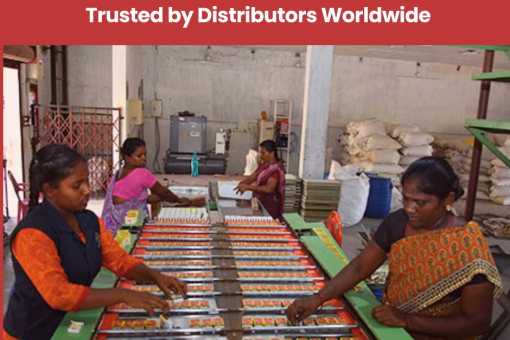
Women in a factory setting pack safety matches into boxes on a large green table. The environment is industrious, conveying teamwork and efficiency.
Blog Safety Matches

Indian Safety Matches Manufacturer: A Complete Guide to Distributors and Importers

Introduction
India has long been a powerhouse in the global matchstick industry, supplying safety matches to Africa, the Middle East, Latin America, and parts of Asia. For global buyers, choosing the right Indian safety matches manufacturer is not just about cost, it is about consistency, compliance, and long-term partnership.

With evolving trade regulations and growing demand in emerging markets, 2026 brings new sourcing priorities. This guide explains why India leads the sector, what importers must evaluate in 2026, and how to choose the right sourcing partner.
Why Indian Manufacturers Dominate Global Supply
Production Clusters and Export Hubs in India
Tamil Nadu, particularly Kovilpatti and surrounding regions, forms the backbone of India’s match production ecosystem. Decades of specialization have created integrated supply chains, skilled labor networks, and strong export connectivity.

These production clusters enable every established Indian safety matches manufacturer to maintain consistent output volumes and meet global demand efficiently.
Cost Efficiency and Scalable Manufacturing
India offers a unique balance of affordability and production scale. Advanced semi-automated systems, combined with experienced workforce management, allow manufacturers to fulfill bulk orders without compromising product quality.

For distributors, this means predictable pricing structures and the ability to scale orders during peak seasons.
Compliance with International Safety Standards
A professional Safety matches exporter India must comply with chemical composition guidelines, packaging standards, and shipping documentation requirements. Structured manufacturers conduct batch testing, ignition checks, and moisture resistance evaluations to ensure export readiness.

Compliance is no longer optional in 2026; it is a prerequisite for global trade.
Product Variety for Distributors and Importers
Leading matchbox manufacturers in India offer:

Standard household matchboxes
Long stick kitchen matches
Wax safety matches
Promotional and private label matchboxes
Export-grade bulk cartons

This product diversification allows distributors to cater to supermarkets, wholesalers, hospitality sectors, and rural retail networks.
Understanding the Distribution and Import Network
Safety matches remain a staple household FMCG product across Africa, the Middle East, Latin America, and Southeast Asia. A reliable  safety match supplier must ensure more than just ignition, they must guarantee performance consistency.
1. Who Are Safety Matches Distributors?
Distributors operate between manufacturers and retailers, purchasing in bulk and supplying regional markets. They serve supermarkets, hardware stores, religious goods suppliers, and FMCG retailers.

A reliable Indian safety matches manufacturer supports distributors with stable production and consistent packaging standards.
2. Role of Importers in Regional Markets
Importers handle customs clearance, compliance checks, and regional warehousing. They ensure products meet local safety standards and labeling requirements.

Working with an experienced Safety matches exporter India simplifies documentation processes and reduces customs delays.
3. Supply Chain Structure from Factory to Retail
The typical supply chain includes:

Factory production → Export packaging → Freight forwarding → Customs clearance → Regional warehouse → Distributor network → Retail shelves.

Each stage requires proper coordination and documentation accuracy to prevent delays.
4. Common Challenges in Sourcing and Logistics
Importers often encounter:

Batch inconsistency
Weak ignition quality
Inadequate moisture protection
Delayed shipments
Incomplete export documentation

These challenges highlight the importance of choosing the right Indian safety matches manufacturer with structured quality systems.
How to Choose the Right Indian Safety Matches Manufacturer
Quality Certifications and Compliance Checks
Importers should verify:

✔️ ISO-based quality management systems

✔️ Chemical composition compliance

✔️ Batch testing protocols

✔️ Safety labeling standards

An established safety matches supplier maintains documented quality control procedures.

Packaging and Customization Capabilities
Private labeling is increasingly important. Strong matchbox manufacturers offer customized printing, moisture-resistant packaging, and durable export cartons to prevent transit damage.
Export Documentation Readiness
A professional Safety matches exporter India provides accurate commercial invoices, packing lists, certificates of origin, and compliance documents to streamline international shipping.
Evaluating Production Capacity and Reliability
Assess factory scale, workforce strength, monthly production volume, and previous export markets. A dependable Indian safety matches manufacturer should demonstrate stable lead times and repeat client relationships.
2026 Market Trends for Safety Matches Trade
Sustainability and Eco-Friendly Materials
Global buyers are demanding responsibly sourced wood, reduced chemical emissions, and recyclable packaging. A competitive safety matches supplier adapts to these expectations.
Digital Sourcing and B2B Marketplaces
B2B platforms now influence sourcing decisions. However, direct partnerships with established matchbox manufacturers ensure better pricing transparency and production oversight.
Shifting Demand Across Emerging Markets
Africa and parts of the Middle East continue to show strong consumption patterns for household safety matches. Urban retail chains are also driving demand for long-stick and premium variants.
Regulatory and Shipping Updates
2026 brings stricter documentation scrutiny and evolving freight regulations. Partnering with an experienced Safety matches exporter India minimizes compliance risks.
Step-by-Step Process to Partner with a Manufacturer
Partnering with a safety matches manufacturer involves a structured approach that ensures product quality, pricing clarity, compliance readiness, and smooth international trade execution.
Initial Inquiry and Sample Validation
Importers begin by requesting product catalogs and samples to test ignition performance and packaging durability.
Pricing Negotiation and MOQ Discussion
Discuss minimum order quantities, carton specifications, customization needs, and payment terms transparently.
Order Confirmation and Documentation
Finalize purchase orders, review export documents, and confirm production schedules with your chosen Indian safety matches manufacturer.
Shipping, Customs, and Delivery
After production, goods are packed securely, shipped through freight channels, cleared via customs, and delivered to destination warehouses.
Key Facts About Indian Safety Matches Manufacturing
Indian safety matches manufacturing combines decades of expertise, large-scale production capacity, skilled labor networks, and export-driven quality systems serving global markets.

India is one of the largest global producers of safety matches
Tamil Nadu remains the dominant production hub
 safety matches are cost-effective and widely consumed
Export compliance standards are tightening in 2026

Quenker Matches, based in Kovilpatti, combine traditional expertise with modern quality systems to serve global distributors efficiently.

In 2026, over 68% of importers prioritize supplier transparency, 72% demand batch-level quality testing, and nearly 65% require full export compliance documentation before confirming bulk contracts.
Final Words
Selecting the right Indian safety matches manufacturer is crucial for distributors and importers aiming for long-term growth. Beyond competitive pricing, buyers must prioritize quality assurance, export documentation readiness, and supply consistency.
Connect with Quenker Matches today and power your distribution network with dependable Indian  safety matches built for global markets.
FAQs 
Why choose an Indian safety matches manufacturer for bulk sourcing?
India offers large-scale production, competitive pricing, skilled labor, and strong export infrastructure, making it a reliable hub for consistent bulk supply.
What should importers check before selecting a safety matches exporter India?
Verify production capacity, quality control systems, export documentation accuracy, packaging standards, and consistency in ignition performance.
Are  safety matches suitable for international markets?
Yes. safety matches are cost-effective, durable, easy to transport, and widely accepted across household, retail, and hospitality sectors globally.
How do matchbox manufacturers ensure product quality?
Reputable manufacturers conduct batch testing for ignition strength, splint durability, moisture resistance, and packaging integrity before shipment.
Can suppliers provide private label matchboxes?
Yes. Many established manufacturers offer customized printing, branding, and packaging solutions for distributors and supermarket chains.

Posted by quenker-editor
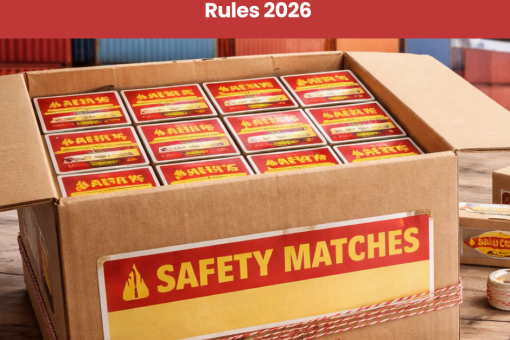
Safety Matches Compliance & Export Rules 2026
Blog Exporter Safety Matches

Safety Matches Export Compliance 2026: Rules & Documentation

Global trade is changing rapidly. Stricter customs screening, sustainability mandates, hazardous goods classification updates, and country-specific packaging laws are redefining how products move across borders. For exporters in the match industry, 2026 will mark a decisive shift toward tighter enforcement and documentation scrutiny.

This blog explains the evolving safety matches export rules, essential matchstick export documents, and best practices to future-proof your export operations.
Why Export Compliance Is Needed
Several global trends are influencing updated safety matches regulations:
1. Hazardous Goods Monitoring
Matches fall under HS Code 3605 and are categorized as potentially hazardous goods due to their ignition properties. Authorities now demand precise chemical disclosure, proper UN classification, and transport compliance under IMO (for sea freight) and IATA (for air freight).
2. Sustainability and Traceability
Safety matches must increasingly comply with FSC-certified sourcing and sustainable timber regulations. Countries in Europe and parts of the Middle East require proof of responsible forestry practices.
3. Chemical Composition Restrictions
Stricter REACH regulations in Europe and similar policies in other markets require confirmation that match head chemicals comply with safety standards.
4. Packaging and Labeling Laws
Child-resistant packaging, multilingual labeling, and hazard symbols are now mandatory in many countries.

For exporters, this means Safety matches export processes must evolve from reactive paperwork handling to proactive regulatory planning.
Understanding Safety Matches Export Rules for 2026
The upcoming compliance framework does not introduce completely new regulations; instead, it focuses on tighter monitoring, stricter inspections, and stronger enforcement of already established export laws and standards.

Here are key areas exporters must monitor:
HS Code Classification (3605)
Misclassification leads to customs penalties. Ensure accurate product categorization for both wooden and wax safety matches.

Country-Specific Labeling
Some regions require:

Arabic labeling for GCC markets

French labeling for parts of Africa

Hazard symbols under international safety codes

Carton Strength & Packaging Standards
Export cartons must withstand humidity and sea transit pressure. Weak packaging can trigger cargo damage claims or customs holds.
Quantity Restrictions
Some countries impose specific limits on how many matchboxes can be packed within a single master carton for import compliance. To ensure smooth Safety matches export, exporters must stay informed about destination-specific safety matches export rules.
Matches Export Essentials
Compliance does not start with documentation alone; it begins inside the factory, where raw material selection, chemical formulation, quality control, and packaging standards determine export readiness.
1. Splint Quality
Uniform splints reduce breakage, ensuring safe combustion performance that aligns with international standards.
2. Controlled Chemical Coating
Precise phosphorus composition ensures strike reliability without violating global chemical thresholds.
3. Moisture Control
Improperly dried splints can fail inspection due to mold or instability during transit.
4. Strike Surface Quality
Strike-on-box matches must pass friction safety tests before export.

Compliance is not just about documents, it is about manufacturing discipline that aligns with global safety matches regulations.
Best Practices to Avoid Shipment Rejection in 2026
To minimize risk and maintain smooth Safety matches export, follow these best practices:

Best Practice
Summary

Updated Documents
Keep export documents accurate and current.

Track Regulations
Follow latest export rule changes.

Sustainability
Secure FSC and ESG compliance.

Quality Checks
Inspect goods before dispatch.

Right Partners
Choose compliance-aware manufacturers.

Digital Records
Use digital tracking to avoid errors.

Facts

13,196 shipments from India, making it the largest global exporter. [Volza]
528 exporters and 745 importers engaged in safety matches trade globally. [zauba]

By implementing these focused practices, exporters can significantly reduce compliance risks, prevent shipment delays, and ensure smooth customs clearance. Proactive preparation today is the key to uninterrupted and successful safety matches export in 2026 and beyond.
Matchstick Export Documents
Understanding and maintaining the correct matchstick export documents is critical to avoid shipment rejection.
1. Import Export Code (IEC)
Issued by DGFT (India), this is mandatory for all exporters. Without it, no shipment can legally leave the country.
2. Commercial Invoice & Packing List
These define product quantity, value, carton count, and packaging details, essential for customs assessment.
3. Certificate of Origin
Confirms the manufacturing country. Many African and GCC nations require this for tariff and regulatory purposes.
4. Phytosanitary Certificate
Since safety matches are wood-based products, some countries require verification that the wood is pest-free.
5. MSDS (Material Safety Data Sheet)
Specifies chemical composition and hazard classification. Increasingly important under updated safety matches regulations.
6. Dangerous Goods Declaration
Mandatory if required by shipping lines, confirming compliance with international hazardous goods transport standards.
7. Bill of Lading / Airway Bill
Proof of shipment issued by the carrier. Failure to maintain accurate matchstick export documents often results in port clearance issues or costly re-documentation.
Preparing Today for 2026 Compliance
The future of Safety matches export belongs to exporters who treat compliance as strategy, not as an afterthought. As global customs authorities strengthen enforcement, incomplete documentation or outdated certifications will no longer be tolerated.

Understanding safety matches regulations, organizing accurate matchstick export documents, and adapting to new safety matches export rules are critical steps toward long-term international success.

In 2026 and beyond, buyers will increasingly choose exporters who demonstrate transparency, sustainability, and documentation accuracy.

With its deep industry expertise, regulatory awareness, and commitment to quality, Quenker Matches stands ready to support compliant, seamless, and future-proof exports.
How Quenker Matches Supports Export Compliance
Quenker Matches is strategically equipped to produce and supply safety match products that meet global compliance and export standards.

As a leading manufacturer and supplier, Quenker Matches integrates:

Accurate HS code classification and export documentation
Compliance with international chemical standards
Strong packaging aligned with export transit requirements
Support in preparing complete matchstick export documents

Ongoing monitoring of updated safety matches export rules

By combining strict manufacturing accuracy with proactive regulatory awareness, Quenker enables smooth, compliant, and low-risk safety matches export operations for international buyers.
Conclusion
Export compliance is not a barrier, it is a bridge to global trust. When documentation, packaging, and production align with international standards, Safety matches export transforms from a logistical challenge into a sustainable growth opportunity.

For exporters, traders, and sourcing agents seeking a reliable, regulation-ready partner, Quenker Matches delivers confidence with every shipment.
Stay ahead of global export rules. Partner with Quenker Matches for reliable and regulation-ready safety matches export solutions.
FAQ’s
1. What are the key documents required for safety matches export?
Essential documents include IEC, commercial invoice, packing list, Certificate of Origin, MSDS, and shipping documents like the Bill of Lading.
2. Why are safety matches export rules becoming stricter in 2026?
Governments are tightening enforcement to improve hazardous goods control, sustainability compliance, and accurate customs documentation.
3. What is the HS Code for safety matches export?
The standard HS Code for safety matches is 3605, used for customs classification worldwide.
4. How can exporters avoid shipment rejection?
Maintain updated matchstick export documents, follow destination-country regulations, ensure proper labeling, and conduct pre-dispatch inspections.
5. Why is sustainability important in safety matches export?
Many countries require proof of responsible wood sourcing and chemical compliance, making certifications like FSC increasingly important for global trade.

Posted by quenker-editor
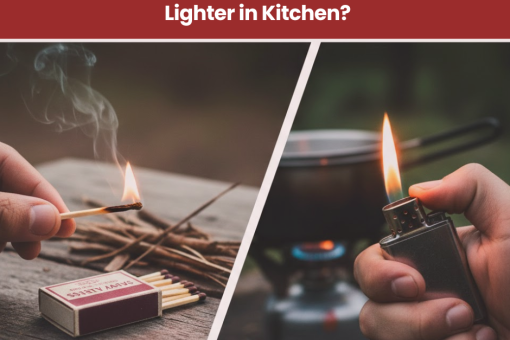
safety matches Over lighers in kitchen
Blog Kitchen Safety matches

Why to Choose Safety Matches Over Lighters in Kitchens | 2026 Trend

Introduction
Small choices inside a kitchen can prevent serious accidents.

In 2026, kitchen safety is no longer limited to smart chimneys or flame‑failure devices. It extends to the most basic tool we use every day — how we light our stoves and burners. As awareness around fire hazards increases, safety matches are once again being recognized as a safer and more reliable alternative to lighters.

With rising concerns about burns, gas leakage, and accidental flare‑ups, wooden safety matches offer controlled ignition and predictable flame behaviour. Trusted Indian manufacturers like Quenker Matches, Kovilpatti, are helping households adopt safer, more responsible fire‑starting practices.
Why Kitchen Fire Safety Matters More in 2026
Modern kitchens are busier, smaller, and more fuel‑intensive than ever. LPG usage, multitasking, and compact layouts significantly increase the risk of fire accidents.

Recent safety assessments indicate that a large percentage of kitchen fire incidents originate from unsafe ignition methods and improper handling. For families choosing dependable household safety matches, the objective is clear:

✅ Prevent accidental ignition

✅ Reduce burn injuries

✅ Maintain controlled flame usage

✅ Improve overall kitchen safety

This renewed focus on prevention is why traditional wooden safety matches — manufactured with modern safety standards — are gaining trust again.
Hidden Risks of Using Lighters in Kitchens
Gas lighters may appear convenient, but their risks often go unnoticed in daily use.
Common Lighter‑Related Safety Concerns

Gas leakage over time
Sudden and uncontrolled flame bursts
Explosion risk when exposed to heat
Unsafe handling for children and elderly users
Long‑term plastic waste generation

Unlike household safety matches, lighters rely on pressurized fuel and continuous flame control, which increases uncertainty during ignition.
Safety Note: Disposable lighters are pressurized products. Even a minor defect or prolonged heat exposure can result in dangerous flare‑ups.
Why Wooden Safety Matches Are the Safer Choice
Controlled Flame = Controlled Safety
Wooden safety matches ignite only when struck against a specially treated surface. This deliberate ignition mechanism dramatically lowers the chance of accidental fire.

One of the strongest safety matches benefits is flame control. The flame burns briefly and extinguishes naturally after use, eliminating unattended fire risks.
Key Safety Advantages

No pressurized fuel
No continuous flame
No gas leakage
Suitable for indoor kitchen environments
Safe and simple disposal after use

This makes kitchen safety matches ideal for everyday cooking environments.
Safety Matches vs Lighters: Kitchen Safety Comparison
Choosing the right ignition tool directly affects kitchen safety. The comparison below highlights why safety matches are preferred in 2026 kitchens.

Feature
Safety Matches
Gas Lighters

Ignition Control
High
Moderate

Explosion Risk
None
Present

Eco‑Friendliness
Biodegradable
Plastic waste

Child Safety
Higher
Lower

Cost Efficiency
Affordable
Recurrent fuel cost

These differences clearly explain why household safety matches are becoming the preferred option for safety‑conscious families and professional kitchens.
Designed for Everyday Indian Kitchens
One major advantage of wooden safety matches is their adaptability. They perform reliably even in humid conditions — a common challenge in Indian kitchens where lighters often fail.

The wooden splints also offer a firm, natural grip, reducing accidental slips and burns. Elderly users find safety matches especially easy and secure to handle.

This usability factor plays a key role in the growing demand for kitchen safety matches across multi‑generational households.
Cost Efficiency Meets Sustainability
Modern households increasingly evaluate products based on both safety and environmental impact. Wooden safety matches perform strongly on both fronts.
Eco‑Friendly Benefits

Made from responsibly sourced softwood
Fully biodegradable materials
No plastic or fuel residue
Lower overall carbon footprint

Compared to disposable lighters, household safety matches align well with India’s 2026 sustainability goals while delivering dependable daily performance.
2026 Kitchen Safety Trends to Watch
Industry insights show a noticeable shift toward traditional yet safer kitchen tools. Fire‑safety educators and household safety advocates increasingly recommend safety matches over lighters.
Key Trends Driving This Shift

Rising child‑safety awareness
Growth in eco‑friendly household products
Demand for non‑electronic safety tools
Increased export of Indian‑made safety matches

These trends reinforce the long‑term relevance of kitchen safety matches in both domestic and global markets.
Simple Safety Tips When Using Matches in Kitchens
To maximize safety and reliability, follow these best practices:

✔️ Store matches in a dry, closed container

✔️ Strike matches away from the body

✔️ Use one match at a time

✔️ Keep out of children’s reach

Consistent handling practices significantly reduce fire hazards and promote safer cooking environments.
Final Thoughts
Choosing the right ignition tool may seem minor, but it plays a major role in preventing kitchen accidents. In 2026, safety‑conscious households are turning to Quenker Matches for reliable, eco‑friendly wooden safety matches.

With controlled flames, consistent quality, and sustainable materials, these household safety matches provide a smarter and safer alternative to lighters.

Posted by quenker-editor
Indian Cardboard Safety Matches Exporter to South Africa
Blog Safety Matches Exporter

Indian Cardboard Matchsticks Exporter to South Africa for Bulk Buyers

When reliability matters, smart buyers source from India.
Looking for a reliable cardboard matchsticks supplier from India? South African bulk buyers increasingly trust India for quality, consistent supply, and cost-effective safety matches. India’s decades of manufacturing expertise, export-ready infrastructure, and strict quality standards make it a strategic choice for importers seeking dependable, high-volume supply.

Established manufacturers like Quenker Matches, based in Kovilpatti, Tamil Nadu, stand out as long-term partners for wholesalers, distributors, and FMCG businesses across South Africa.
India’s Growing Role as a Reliable Matchsticks Export Hub
India has emerged as a global leader in safety match production, with Tamil Nadu as the core manufacturing hub. By combining skilled craftsmanship with modernized production processes, Indian exporters consistently deliver:

High-quality cardboard safety matchsticks
Bulk-ready volumes for wholesalers and distributors
Compliance with international export standards

For South African buyers, partnering with an experienced exporter ensures seamless handling of long-distance shipping, export documentation, and container-load orders. In 2025, India led global safety match exports with over 13,600 shipments, highlighting its dominance in the international market.
Why South African Bulk Buyers Prefer Indian Matchsticks
South Africa’s matchsticks market is driven by daily household use, informal retail networks, hospitality suppliers, and utility-based consumption. Indian exporters cater precisely to these needs.

Key reasons South African importers choose Indian suppliers include:

Proven manufacturing expertise and high production capacity
Competitive pricing without compromising safety or performance
Strong experience serving African markets
Reliable export logistics and shipment planning

By sourcing from India, wholesalers and distributors gain consistent product quality and dependable operations, minimizing supply chain risks.
Advantages of Sourcing from an Indian Cardboard Matchsticks Exporter
Working with professional Indian exporters like Quenker Matches provides multiple benefits for South African bulk buyers:
1. Consistent Product Quality
Indian manufacturers follow standardized quality checks to ensure uniform stick length, smooth ignition, and safe burn performance. Cardboard matchsticks are designed to withstand handling and transportation without excessive breakage.
2. Export-Grade Packaging

Master cartons optimized for international shipping
Protects product integrity and importer brand reputation

3. Bulk Supply Capability
India’s manufacturing scale enables exporters to handle container-load volumes efficiently, making it ideal for wholesalers and large distributors.
4. Compliance & Documentation

Proper export labeling and documentation
ISO-aligned standards supporting smooth customs clearance

Cardboard Matchsticks: Product Specifications
Cardboard matchsticks remain a preferred option in many African markets due to their cost efficiency, safety, and reliable ignition. Indian manufacturers focus on producing matchsticks that meet everyday utility demands.

Product features typically include:

Uniform stick size for easy handling
Clean and consistent flame ignition
Controlled burn time for household safety
Reduced moisture absorption for extended shelf life

Bulk buyers can trust export-compliant matchsticks designed for repeat consumption and long-term retail success.
Flexible Bulk Packaging Options for South African Importers
Bulk buyers require flexibility in packaging to match diverse retail and wholesale channels. Indian exporters understand this need and offer multiple packaging configurations.

Common packaging options include:

Inner matchboxes packed in strong master cartons
High-count cartons suitable for wholesale distribution
Export-grade corrugated cartons for container shipping
Options for private labeling and custom branding

Consistent packaging ensures distributors can maintain a professional market presentation.
Minimum Order Quantities and Scalable Supply
One of the biggest concerns for importers is whether a supplier can scale with growing demand. Indian manufacturers are well-equipped to meet both initial and recurring volume requirements.

Typically, Indian exporters:

Support container-based bulk orders
Maintain steady production schedules for repeat buyers
Offer scalable supply for seasonal demand spikes

Choosing an experienced cardboard matchsticks exporter reduces supply disruptions and allows South African buyers to plan with confidence.
Shipment Reliability from India to South Africa
Shipment delays and inconsistent dispatch schedules are major risks in international trade. Indian exporters with established logistics experience minimize these risks through systematic export planning.

Reliable exporters focus on:

Timely production and dispatch commitments
Proper container stuffing and cargo handling
Accurate export documentation
Coordination with freight forwarders

An experienced Indian safety matches supplier understands South African port requirements and ensures shipments arrive on schedule, protecting buyers from costly delays.
Trust, Transparency, and Export Experience
Indicators of a trustworthy Indian matchsticks exporter include:

In-house manufacturing facilities
Years of experience exporting to African markets
Clear communication and order tracking
Commitment to long-term buyer relationships

Compared to local sourcing, importing from India offers better scalability and cost consistency.
Why Quenker Matches is a Trusted Export Partner
Quenker Matches, based in Kovilpatti, Tamil Nadu, represents the new generation of Indian exporters combining traditional manufacturing expertise with modern export practices. With a strong focus on quality control, bulk supply reliability, and export readiness, we serve international buyers looking for dependable sourcing.

As a professional cardboard matchsticks exporter, Quenker Matches emphasizes:

Consistent production standards
Export-grade packaging solutions
Transparent order handling
Long-term partnership approach

Our experience as a bulk matchsticks exporter enables them to support South African buyers with stable supply chains and scalable volumes.
Final Words
For South African importers, distributors, and wholesalers, sourcing matchsticks from India delivers a strong competitive edge. India’s manufacturing expertise and export reliability make it a dependable supply base. Partnering with a trusted cardboard matchsticks exporter like Quenker Matches ensures consistent quality, timely shipments, and long-term supply stability for sustainable business growth.
Partner with Quenker Matches and secure a consistent, export-ready supply of quality matchsticks for your bulk business needs.
Frequently Asked Questions

Why should South African buyers source matchsticks from India?
India offers reliable quality, competitive pricing, and proven export expertise for bulk supply.
What makes cardboard matchsticks suitable for bulk distribution?
They are cost-effective, safe, durable, and ideal for high-volume everyday use.
Can Indian exporters handle large and repeat orders?
Yes, established exporters are equipped for container-load volumes and repeat supply.
Are Indian matchsticks compliant with export standards?
Reputed exporters follow strict quality checks and provide complete export documentation.
How does Quenker Matches ensure shipment reliability?
Through planned production, export-ready packaging, and experienced logistics coordination.

Posted by quenker-editor
Matchsticks Export Insights: Top Indian Safety Matches Manufacturer
Blog Safety Matches Safety Matches Exporter

Matchsticks Export Insights: Top Indian Safety Matches Manufacturer

Introduction
India remains a global leader in matchstick production, with Kovilpatti in Tamil Nadu at its core. What began as a traditional craft is now a global export industry, where Quenker Matches, the leading safety matches exporter, stands out for quality, consistency, and sustainable, high-standard manufacturing. Wooden safety matches, although simple in appearance, they are the result of perfect craftwork, material expertise, and stringent safety standards. 

This blog is here to bring what makes them so reliable, why global buyers prefer Indian wooden matches, and how Quenker has become a preferred choice for importers looking for dependable long-term partnerships.
Overview of Indian Safety Matches
India’s safety match industry contributes significantly to global export volumes, which are because of decades of craftsmanship, raw material availability, and specialized expertise concentrated in Tamil Nadu. 

Indian safety matches have earned a strong international recognition, as they are durable, moisture-resistant, and manufactured at scale to meet diverse climatic demands across continents.

Kovilpatti, in particular, is celebrated for:

High-quality wooden splint cutting

Mechanized match head application

Consistent friction surface preparation

Improved moisture-control facilities

Because of these strengths, global importers consider India a stable source for bulk matchsticks, a product with steady, year-round demand in households, shops, and businesses worldwide.
The Real Benefits of Safety Matches
Despite the rise of lighters and electronic ignition tools, demand for wooden matches continues to grow.  This is because of their unmatched safety, eco-friendliness, and reliability, qualities that large buyers still appreciate.
1. Superior Material Quality
Wooden splints are chosen from poplar, aspen, or pine, each offering:

Uniform burning

Higher tensile strength

Reduced breakage during striking

Splints undergo precision cutting so each match burns consistently without unexpected flaring or quicker burn-out. For countries with extreme humidity, wooden matches remain stable longer than cardboard variants.
2. Reliability and Safety
Wooden safety matches are designed to ignite only when struck on the friction surface, which are all because of controlled chemical compounds like phosphorous sesquisulfide. 

This prevents accidental ignition during shipping or storage, a major concern for importers transporting high volumes of bulk matchsticks through long, cross-continental routes.
3. Eco-Friendly by Design
With the global shift toward sustainable consumer goods, wooden matches have an added advantage:

Biodegradable splints

Low-smoke ignition

Recyclable box materials

Non-toxic chemicals

Quenker’s wooden matches align with global sustainability expectations, especially for buyers supplying supermarkets, household brands, and FMCG distributors.
4. Long Shelf Life and Climate Resistance
Wooden splints works better even in:

Humid African climates

Dry Middle Eastern conditions

Temperate South American weather

Their durability and versatile usability make them ideal for home kitchens, worshipping places, hotels, restaurants, and emergency kits.

Wooden safety matches offer reliable ignition, stronger splints, and eco-friendly materials. Their durability, moisture resistance, and consistent performance make them a preferred choice for households, retailers, and global importers.
Inside the Manufacturing Process: How Quenker Ensures Consistent Quality
Safety match manufacturing involves a precise series of operations, each are vital for ensuring ignition reliability and safety. At Quenker’s modern facility in Kovilpatti, advanced systems ensure every matchbox meets international standards.
1. Wood Selection and Splint Preparation
The process begins with sourcing certified wood. Splints are:

Carefully cut into uniform sizes

Smoothened for even coating

Dried to optimal moisture levels

This strengthens the splints, making them ideal for long-distance export.
2. Match Head Coating
A specialized chemical paste is prepared under safety protocols. Each splint is dipped to form the match head, ensuring:

Even ignition

Controlled burning speed

Zero flare-ups

This step ensures international buyers receive uniform-quality matches every time.
3. Drying and Conditioning
Coated matches are placed in temperature-controlled chambers to eliminate excess moisture. This is especially important for importers in regions with high humidity.
4. Box Production & Packaging
Durable duplex or kraft boards are used. Quenker’s packaging advantage includes:

Moisture-resistant outer layers

Durable friction strips

Attractive retail-ready printing

Options for private-label branding

These benefits make Quenker a preferred matchstick supplier India for international brands.
5. Final Quality Testing
Each batch undergoes multiple tests:

Ignition test

Burn time test

Snap resistance test

Moisture retention check

Box durability test

By following these stringent measures, Quenker positions itself strongly among global buyers seeking a reliable matchsticks exporter.
Key Export Markets for Safety Matches
Indian safety matches enjoy widespread demand across multiple global regions. Countries throughout Saudi Arabia, Algeria, South America, and South Africa consistently rely on India’s high-quality matchbox supplies due to their durability, moisture resistance, and affordability, making these markets some of the most active importers year after year.
Why These Countries Prefer Indian Matches

Better affordability compared to European brands

Longer burn time

Moisture-resistant splints

Heavy-duty packaging

High availability of Indian safety matches for large-scale procurement

As populations expand and retail networks strengthen, these regions are expected to remain significant consumers of wooden safety matches well into 2030, sustaining steady demand driven by everyday household needs and growing commercial usage.

Nearly 70% of India’s wooden safety match exports are shipped to Africa and the Middle East, while South America and Southeast Asia account for an additional 25%, reflecting steadily rising global demand.
What Buyers Should Consider Before Choosing a Supplier
Importing matchsticks demands careful evaluation, particularly when handling large-volume shipments. Buyers typically assess suppliers across multiple quality and reliability factors to ensure the products meet safety standards, perform consistently, and arrive in export-ready condition suitable for long-distance distribution.

✓ Quality of Splints

The flame should burn steadily without breaking.

✓ Moisture Resistance

Humidity can ruin entire shipments; suppliers must provide moisture-safe products.

✓ Packaging Strength

Boxes should withstand stacking, transport, and handling across long distances.

✓ Export Documentation

Smooth customs clearance and compliance save importers time and money.

✓ Supply Capacity

A dependable matchstick supplier India must cater to consistent monthly shipments.

✓ Private Label Capabilities

Many international wholesalers prefer custom-branded matchboxes.

Fulfilling these primary requirements is what sets a dependable safety matches exporter apart, and Quenker consistently meets every standard with reliability, quality assurance, and strong export capabilities trusted by global buyers.
Quenker’s Unmatched Quality Standards
1. Modern Export-Ready Production
Quenker’s facility combines mechanized cutting, precision coating systems, and skilled workers. The result? Uniform performance in every matchbox.
2. Reliability for Bulk Buyers
Importers choose Quenker Matches because:

Shipments are delivered on time

Product quality remains consistent

Bulk volume requirements are met without compromise

This reliability has strengthened Quenker’s standing as a leading matchsticks exporter.
3. Diverse Packaging Options
Quenker produces:

40s, 50s, and 100s matchboxes

Custom sizes for importers

Private label matchboxes

This flexibility makes the brand highly competitive in global markets.
4. Sustainability Commitment
From responsibly sourced wooden splints to recyclable packaging, Quenker integrates eco-conscious choices throughout its production process.
5. Competitive Pricing
Despite premium quality, Quenker offers value-efficient pricing—ideal for importers procuring bulk matchsticks for large consumer markets.
Final Words
Though wooden safety matches seem simple, their precision manufacturing, reliable materials, and safe ignition make them essential worldwide. With growing global demand, dependable exporters are crucial. Quenker Matches meets this need through quality-driven production, sustainable practices, and robust export standards that ensure durability and trust for international buyers.

Whether you are a retailer, importer, or wholesale distributor seeking a proven matchstick supplier India, we ensure the best quality and long-term partnership value.
Contact Quenker Matches for bulk orders, private labeling, and export support, your trusted source for premium wooden safety matches.

Posted by quenker-editor
Safety Matches Exporter to Nigeria
Blog Safety Matches

Nigeria’s No.1 Safety Matches Manufacturer Revealed

Introduction
Nigeria’s growing demand for reliable and safe matchsticks is no secret. From households and hotels to retail chains and industrial users, the need for high-quality safety matches has skyrocketed. Yet, many buyers struggle to find a trusted safety matches manufacturer that delivers consistent quality, timely supply, and competitive pricing. This is where Quenker Matches, a leading Indian safety matches supplier, stands out as Nigeria’s preferred choice.

With decades of experience, Quenker Matches has established itself as a top player in the African market, earning the trust of Nigerian retailers, wholesalers, and distributors. Here’s why Quenker Matches is recognized as Nigeria’s No.1 safety matches manufacturer and why buyers continue to rely on them.
Why Nigerian Buyers Choose Quenker
Choosing the right matchsticks manufacturer can be a challenging decision. Nigerian buyers often face uncertainties about product quality, supply chain reliability, and certification compliance. Quenker Matches addresses all these concerns with unmatched expertise and operational excellence:

Trusted Legacy and Experience
Established in Kovilpatti, Tamil Nadu, India, Quenker Matches has decades of manufacturing experience. Its products are already exported to several African countries, including South Africa, Sudan, and Yemen, making it a familiar and dependable Indian safety matches supplier for Nigerian businesses.
Reliable Supply Chain
Consistency in supply is critical for retailers and distributors. Quenker Matches maintains large-scale production capabilities, ensuring timely deliveries and uninterrupted supply—even during peak demand. Buyers no longer worry about stockouts or delayed shipments.
Customizable Options
Understanding diverse market needs, Quenker Matches offers customization in stick length, head color, and packaging. Nigerian retailers and wholesalers can choose products tailored to their customer base, making them a flexible matchbox company in India for the African market.
Global Trust and Certifications
Every batch undergoes rigorous quality checks in Quenker’s well-equipped laboratories. Compliance with international safety standards ensures that Nigerian buyers receive matches that meet global expectations—safe, durable, and reliable.

Match Quality and Safety
When it comes to fire safety products, quality cannot be compromised. Quenker Matches emphasizes match consistency and long shelf life, which are essential for Nigerian buyers. Here’s what sets them apart:

Consistent Ignition
Each match ignites reliably on the first strike, preventing frustration and loss of trust among end-users. This makes Quenker a leading top matchsticks Nigeria distributor relies on for retail and wholesale.
Long Shelf Life
Manufactured using premium materials and advanced technology, Quenker matches remain effective for years without degradation, unlike lower-quality alternatives that lose ignition efficiency over time.
Eco-Friendly Materials
Sustainability is increasingly important for Nigerian buyers. Quenker Matches uses safe, non-toxic materials that comply with environmental standards, making them an ideal choice for conscious consumers.
Variety of Match Types
The range includes kitchen matches, wax matches, veneer matches, and custom specifications. Whether for household, commercial, or industrial purposes, Nigerian buyers can source all types from one trusted safety matches manufacturer.

Global Export Standards
Exporting safety matches requires adherence to strict quality and packaging standards. Quenker Matches excels in meeting these global requirements:

Packaging Excellence
Quenker provides multiple packaging options suitable for wholesale and retail distribution. Standard matchbox sizes, multi-color cartons, and shrink-wrapped packs ensure that products are market-ready for Nigerian stores.

Lab-Tested Quality
Each batch is tested for ignition consistency, safety, and durability. This compliance reduces risk for Nigerian importers and strengthens their reputation in local markets.

Bulk Export Capability
With the ability to load thousands of cartons per shipment, Quenker Matches ensures cost-effective delivery and quick turnaround for Nigerian wholesalers, further solidifying their position as a leading matchsticks manufacturer.

Addressing Buyer Concerns
Nigerian buyers often face two main concerns when sourcing matches from international suppliers: reliability and quality assurance. Quenker Matches tackles both head-on:

Supply Reliability: With streamlined production and logistics, buyers can rest assured that orders arrive on time, even in bulk quantities.

Quality Assurance: Rigorous testing at every stage of manufacturing guarantees matches that are safe, eco-friendly, and long-lasting.

Consistency: No matter the batch or type, Quenker Matches maintains the same high standards, helping Nigerian retailers build trust with their end customers.

Case studies and testimonials from African importers consistently highlight Quenker’s ability to deliver on promises, making them a preferred top matchsticks Nigeria supplier.
Serving Every Market Need in Nigeria
From daily household use to high-demand commercial kitchens, the demand for reliable matchsticks spans multiple business types. Suppliers handling bulk distribution, hospitality venues requiring premium products, industrial facilities looking for consistent working, and traders managing regional exports all benefit from customized solutions. 

By catering to these diverse requirements with quality, reliability, and flexibility, Quenker Matches ensures every Nigerian buyer finds the perfect match, reinforcing its status as a trusted industry leader.

⭐Know More: Wooden Matchstick’s Head Made Up Of What?

Industry estimates show over 70% of Nigeria’s matchstick demand comes from retail, hospitality, and bulk distribution sectors, highlighting the diverse market needs that reliable suppliers like Quenker consistently fulfill.
Why Quenker Matches Stands Out in Nigeria
Nigerian buyers face many challenges when sourcing quality matches, from inconsistent ignition to unreliable supply. Quenker Matches overcomes these hurdles with decades of expertise, consistent product quality, and a proven track record across African markets.

Feature
Benefit for Nigerian Buyers

Consistent Ignition
Reliable performance for end users

Long Shelf Life
Reduced wastage, cost-effective

Eco-Friendly Materials
Safe for environment and households

Customization Options
Tailored products for diverse markets

Global Export Standards
Compliance with international safety norms

Bulk Export Capability
Timely delivery and competitive pricing

Established African Presence
Trusted supplier with repeat clients

With reliable delivery, eco-friendly materials, and customizable match options, Quenker Matches has become the trusted choice for retailers, wholesalers, and distributors, henceforth bringing our position as Nigeria’s leading safety matches manufacturer.
End Words
With a legacy of quality, reliability, and global trust, Quenker Matches continues to dominate the Nigerian market. Retailers, wholesalers, and distributors benefit from a consistent supply of safe, eco-friendly, and high-performing matches. By choosing Quenker as your Indian safety matches supplier, you gain not only premium products but also a partner committed to your business success.

🥇Visit Quenker Matches; reliable, high-quality safety matches for your business.

FAQs

How reliable is the supply for Nigerian buyers?
Quenker ensures consistent, on-time delivery even for large orders.
What makes your matches stand out in Nigeria?
Consistent ignition, long shelf life, and premium quality materials.
Do you meet international export standards?
Yes, all matches undergo lab testing and comply with global safety norms.
Can retailers and wholesalers get special pricing?
Yes, bulk orders and repeat buyers enjoy competitive discounts.
Are the matches safe and eco-friendly?
Yes, these matches are made with non-toxic, environmentally friendly materials.

Posted by quenker-editor
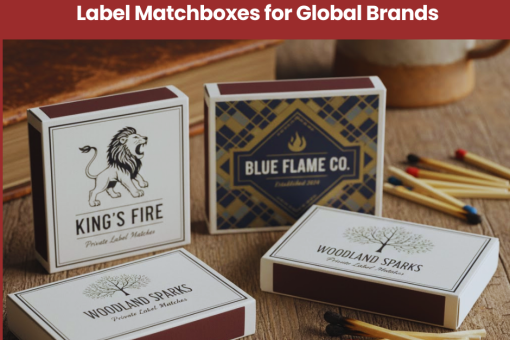
Quenker Designs Premium Private Label Matchboxes for Global Brands
Blog Customised Safety Matches Design Safety Matches

How Quenker Designs Premium Private Label Matchboxes for Global Brands

Introduction
In today’s competitive global market, Private Label Matchboxes have evolved from simple utility products into powerful brand statements. Whether used in hotels, restaurants, retail stores, or corporate gifting, these small yet striking products communicate elegance, safety, and brand identity.

As a leading matchbox manufacturer in India, Quenker Matches stands at the forefront of this transformation, creating premium, safe, and visually distinctive matchboxes for international brands.
What Makes Private Label Matchboxes a Global Trend?
In recent years, the demand for Private Label Matchboxes has come across the hospitality, retail, and FMCG sectors. Global brands increasingly recognize that even a matchbox when customized thoughtfully, can become a memorable product for customers.
1. Brand Identity Through Design
Hotels, restaurants, and retailers increasingly use custom matchbox designs to leave lasting impressions. From minimalist styles to vibrant, themed artwork, each matchbox tells a brand’s story.
2. Hospitality Branding
Hotels and resorts use custom matchbox design to strengthen their brand image and enhance guest experiences.
3. Restaurant & Café Promotion
Branded matchboxes are often featured as elegant table décor or thoughtful takeaway additions in restaurants and cafés.
4. Retail & Wholesale Appeal
Retailers and distributors consider matchboxes an affordable yet high-impact promotional item with strong visual shelf presence.
5. Sustainable Design Trend
With eco-conscious demand rising, brands now prefer biodegradable splints, recyclable boxes, and FSC-certified materials, perfectly matching Quenker’s sustainable matchbox packaging design vision.

With exports from Africa, the Middle East, and Europe, Quenker ensures every batch meets the aesthetic, safety, and compliance needs of international markets, making it a preferred name among importers and premium matchbox manufacturers globally.
Inside Quenker’s Private Label Matchbox Design Process
Behind every striking matchbox lies meticulous design and engineering. Quenker’s workforce follows a collaborative and data-driven approach to create matchboxes that meet both branding and functional goals.
1. Concept & Brand Consultation

Brand Discovery: Each project starts by understanding the client’s story, goals, and market positioning.
Purpose Alignment: The custom matchbox design team collaborates with brand managers to define the intended use, be it retail, hospitality, or promotional gifting.
Design Customization: Size, texture, and layout options are carefully chosen to ensure every set of Private Label Matchboxes aligns with the brand’s visual identity and tone.

2. Custom Artwork & Material Selection

Design Excellence: Quenker excels in matchbox packaging design that combines premium visual appeal with sustainable material choices.
Customization Options: Clients can select from coated or uncoated boards, wooden or wax matches, and elegant finishes such as matte, glossy, or embossed textures.
Eco-Safe Manufacturing: With eco-friendly splints and non-toxic ignition coatings, Quenker ensures every matchbox is durable, safe, and environmentally responsible.

3. Prototyping & Quality Validation

Prototype Development: Before large-scale production, sample prototypes are created for client approval and thorough safety testing.
Consistency Assurance: Each prototype is reviewed to maintain uniformity in color accuracy, texture finish, and striking surface performance.
Quality & Reliability: Rigorous quality checks ensure global compliance and zero-defect output, turning customized matchboxes into a blend of craftsmanship and trust.

4. Bulk Production & Export Compliance

Precision Manufacturing: Advanced automation ensures uniform production and zero-defect output.
Compliance & Documentation: Every export batch meets global fire safety regulations and labeling norms.
Export Readiness: From barcode integration to shipment coordination, Quenker’s process ensures timely, hassle-free delivery across markets.

Material Quality and Printing Techniques That Define Premium
The true essence of a premium matchbox lies in its materials, print finish, and safety performance.

Paperboard & Wood Quality: Quenker uses only high-grade boards and eco-safe splints tested for durability.
Advanced Printing Options: Offset, flexographic, and UV finishes bring out rich color depth and clarity.
Protective Coatings: Glossy, matte, and embossed finishes ensure aesthetic appeal and long-lasting protection.
Safety Compliance: Each matchbox undergoes ignition, friction, and humidity tests before export certification.

Why Choose Quenker as Your Private Label Matchbox Manufacturer
In a competitive export market, choosing the right matchbox manufacturer in India is crucial for brand integrity. Quenker’s success lies in combining traditional craftsmanship with modern design innovation.

Here’s what sets Quenker apart:

Complete Customization: From box type to artwork, finish, and texture, every aspect is tailored for the brand.
Flexible Order Volumes: Whether it is large exports or seasonal small-batch orders, Quenker supports all MOQs.
End-to-End Export Support: From packaging to port dispatch, logistics are streamlined for on-time delivery.
Sustainable Materials: Using non-toxic, eco-certified materials that align with global sustainability goals.

This holistic approach ensures every client receives a perfect product experience. It is known for importers and brand managers worldwide recognizing Quenker as a premium matchbox manufacturer delivering both artistry and assurance.
Case Studies – Matchbox Branding Success Stories
Over the years, Quenker has designed and delivered Private Label Matchboxes for a wide range of international clients, from hospitality groups to retail brands.

Case Study 1: European Hospitality Chain

A luxury hotel group in Europe partnered with Quenker for a bespoke custom matchbox design reflecting their minimalist aesthetic. Quenker developed compact, ivory-toned matchboxes with gold-embossed logos and safety-tested matchsticks. The result: a subtle yet powerful brand element featured in over 200 hotels worldwide.

Case Study 2: African Retail Chain

A leading African retailer sought private label matchboxes for their in-house household products. Quenker matches created durable, attractively printed boxes optimized for humid conditions, ensuring both safety and long shelf life. The project helped the client achieve higher market visibility and repeat orders across regions.

Each partnership reinforces Quenker’s reputation for blending creative design with consistent export reliability, values that make the company a true industry leader.
How to Partner with Quenker for Private Label Matchboxes
Collaborating with Quenker matches the leading matchbox manufacturer in India is a straightforward, brand-friendly process designed for global convenience.

Step 1: Share your brand concept, target market, and desired packaging style.
Step 2: Approve design mockups and prototype samples.
Step 3: Confirm production volume, timelines, and export details.
Step 4: Receive your Private Label Matchboxes, customized, certified, and ready to ship.

When design precision meets export reliability, every box becomes a statement of trust.
Final Words
When it comes to private labeling, precision, quality, and consistency define long-term success. As a premium matchbox manufacturer, Quenker matches brings together decades of expertise, advanced automation, and design innovation to deliver matchboxes that bring brand excellence.
Partner with Quenker matches to design your next global matchbox line today.
Your Queries Answered

What are Private Label Matchboxes?
Private Label Matchboxes are customized matchboxes produced by a manufacturer like Quenker and branded with a client’s logo, design, or packaging for retail or promotional use.
Can Quenker matches create custom designs for global brands?
Yes. Quenker offers complete custom matchbox design services, including artwork, packaging, and material customization to suit international brand requirements.
Does Quenker support small or seasonal orders?
Absolutely. Quenker provides flexible customized matchboxes production, supporting both bulk exports and smaller MOQ or seasonal private label runs.
Are Quenker matchboxes eco-friendly and export compliant?
Yes. All products follow matchbox packaging design standards using eco-friendly materials and comply with global safety and export regulations.
 How can importers partner with Quenker for Private Label Matchboxes?
Importers can share design ideas, approve prototypes, confirm quantities, and receive export-ready Private Label Matchboxes with fast turnaround and global delivery support.

Posted by quenker-editor
The Science Behind a Wooden Matchstick Head
Blog Wooden Safety Matches

Wooden Matchstick’s Head Made Up Of What? Here’s the Answer

A small spark can change everything. 

Yes. The Wooden Matchsticks are being used every day, to light a stove, a candle, or even a campfire. But most people don’t really think about how they work. We see the little colored tip, but what is inside it, and how does one quick strike turn it into a flame so fast?

This guide explains, in simple terms, what a wooden match head contains, why those materials matter, and how quality manufacturers keep them safe and reliable. Let’s begin.
What is a Safety Match head made of?
Every match head is a carefully balanced mixture designed to ignite fast, burn steadily, and remain safe in storage. Although the head may look tiny, several critical ingredients work together to create that controlled spark you rely on.

Below is the common matchstick chemical composition found in high-quality commercial wooden safety matches:
1. Potassium Chlorate: The Oxygen Provider
Potassium chlorate is the main oxidizer. It supplies oxygen rapidly when the match is struck, which fuels combustion. Without this ingredient, there would be no instant flame.
2. Sulfur or Antimony Sulfide: The Fuel that Burns
A match needs fuel to burn. Sulfur or antimony sulfide, as a primary matchstick chemical composition acts as the primary fuel that reacts with the oxidizer, creating the flame. This ingredient also stabilizes ignition so the match lights smoothly instead of flaring dangerously.
3. Glass Powder: The Friction Agent
Tiny particles of glass help generate heat when rubbed against the striking surface. This friction sparks the ignition. It is safe in controlled amounts and ensures the match lights only when intended.
4. Binders: The Glue That Holds It All Together
Starch or gum binders hold the other ingredients in place so the match head will never crumble. A good binder ensures uniform shape, smooth striking, and long-term durability even during transport.
5. Coloring Agents: For Identification & Quality Control
The red, black, green, or blue match head colors people recognize come from safe pigments. These dyes also help manufacturers and distributors identify different product types easily.
6. Additional Stabilizers
Quality producers add small stabilizers to:

Reduce excess smoke
Maintain a steady flame
Improve shelf life
Control moisture effects

With the right matchstick chemical composition, safety match materials, a single strike produces quick ignition, a clean burn, and reliable performance.
Why These Matchsticks Materials Matter
Now that you know what goes inside the head, let’s look at why these ingredients are used and why material quality is crucial for wooden safety matches.
✅ Reliable Ignition
The oxidizer, friction agent, and fuel are balanced to light quickly even with gentle striking, important for consumers and industries that use matches daily.
✅ Controlled Flame
High-quality blends ensure that matches burn steadily, not too fast or unpredictably. This makes wooden safety matches suitable for home, hotel, kitchen, and outdoor use.
✅ Low Smoke, Low Odor
Cheap matches may crackle, smoke heavily, or give off odor. Premium compositions burn cleaner, making them safe for indoor lighting.
✅ Strength & Transport Safety
Correct binder ratios prevent the head from breaking off and reduce accidental friction ignition. For bulk buyers and exporters, this is a key quality element.
✅ Consistency & Long Shelf Life
Uniform pellet size and controlled formulas ensure every match in a box works the same way essential for hospitality, FMCG, and industrial buyers.

In short,  what seems like a simple wooden safety match is actually a precise formulation. Better materials mean safer, sharper, and more reliable ignition.
Safety & Eco-Friendly Composition: What Modern Buyers Must Know
Many people ask whether match heads are toxic. Here is the reassurance:

Modern matches DO NOT use white phosphorus which were banned decades ago due to health risks.
Globally accepted safety match materials are used in responsible factories.
Eco-friendly dyes and controlled sulfur content ensure safe household use.
Production follows safety norms that protect workers and end users.

Quenker Matches in India ensure match heads with safety match materials are formulated to be:

✔️ Non-toxic for household use

✔️ Stable and friction-safe during transit

✔️ Moisture-protected for tropical climates

✔️ Globally compliant for export standards

So yes, today’s branded wooden safety matches are designed to be safe for responsible use.
Inside the Matchstick Manufacturing Process
Understanding the matchstick manufacturing process helps buyers and industry entrants see why quality varies across manufacturers.

Here’s a simple breakdown:

Wood Selection & Splint Cutting: Good producers use durable wood like Imported Poplar or Indian Malabarica.
Splint Treatment (Carbonized or Non-Carbonized): Carbonizing improves burn stability and reduces afterglow.
Chemical Mixing: Exact ratios of oxidizer, fuel, glass powder, and binder are mixed for consistent performance.
Dipping Process: The wooden splints are dipped to form the match head, precision here ensures quality.
Drying & Hardening: Controlled drying ensures perfect hardness without brittleness.
Boxing & Packaging: Moisture-proof, export-grade packaging protects match heads during transit.

As global demand rises, importers prefer suppliers who maintain scientific control over each stage of the matchstick manufacturing process.
Quenker matches Safe and Reliable Wooden Matchsticks
Based in Kovilpatti, Tamil Nadu, India’s heartland for match production, Quenker Matches is known for export-quality manufacturing, strict quality controls, and customized match head colors.

Why global buyers trust Quenker:

High-grade chemical blends
Smooth ignition, steady burn
Moisture-safe packaging
Custom colors for branding
Bulk export experience & load-optimized packing
Strong splints poplar and malabarica options

For businesses looking for stable supply, brand consistency, and safe, long-burning wooden safety matches, Quenker stands as a preferred partner across global markets.
Final Words
For those seeking safe, export-quality Wooden Matchsticks crafted with precise formulations and strict quality control, Quenker Matches is your trusted partner. With years of expertise in global manufacturing and supply, Quenker Matches guarantees consistent performance, safety, and reliability in every strike, making them a preferred choice for importers and distributors worldwide.
🥇 Partner with Quenker Matches, Leading safety Matches Exporter in India
Frequently Asked Questions
1. What is the head of a wooden matchstick made of?
The match head is made from safety match materials such as potassium chlorate, sulfur or antimony sulfide, glass powder, binders, and safe coloring agents.
2. Are wooden matchsticks safe to use?
Yes. Modern wooden safety matches are made with non-toxic, approved materials and do not contain harmful white phosphorus.
3. Why does a match ignite when struck?
Friction against the strike surface creates heat, triggering a reaction between fuel and oxidizer in the match head, producing a flame.
4. How long do wooden safety matches last?
With good storage and quality manufacturing, wooden matches can stay reliable for years without losing ignition quality.
5. Where are wooden safety matches commonly used?
They are used in homes, hotels, restaurants, temples, outdoor camping, and by retailers and bulk buyers worldwide.

Posted by quenker-editor